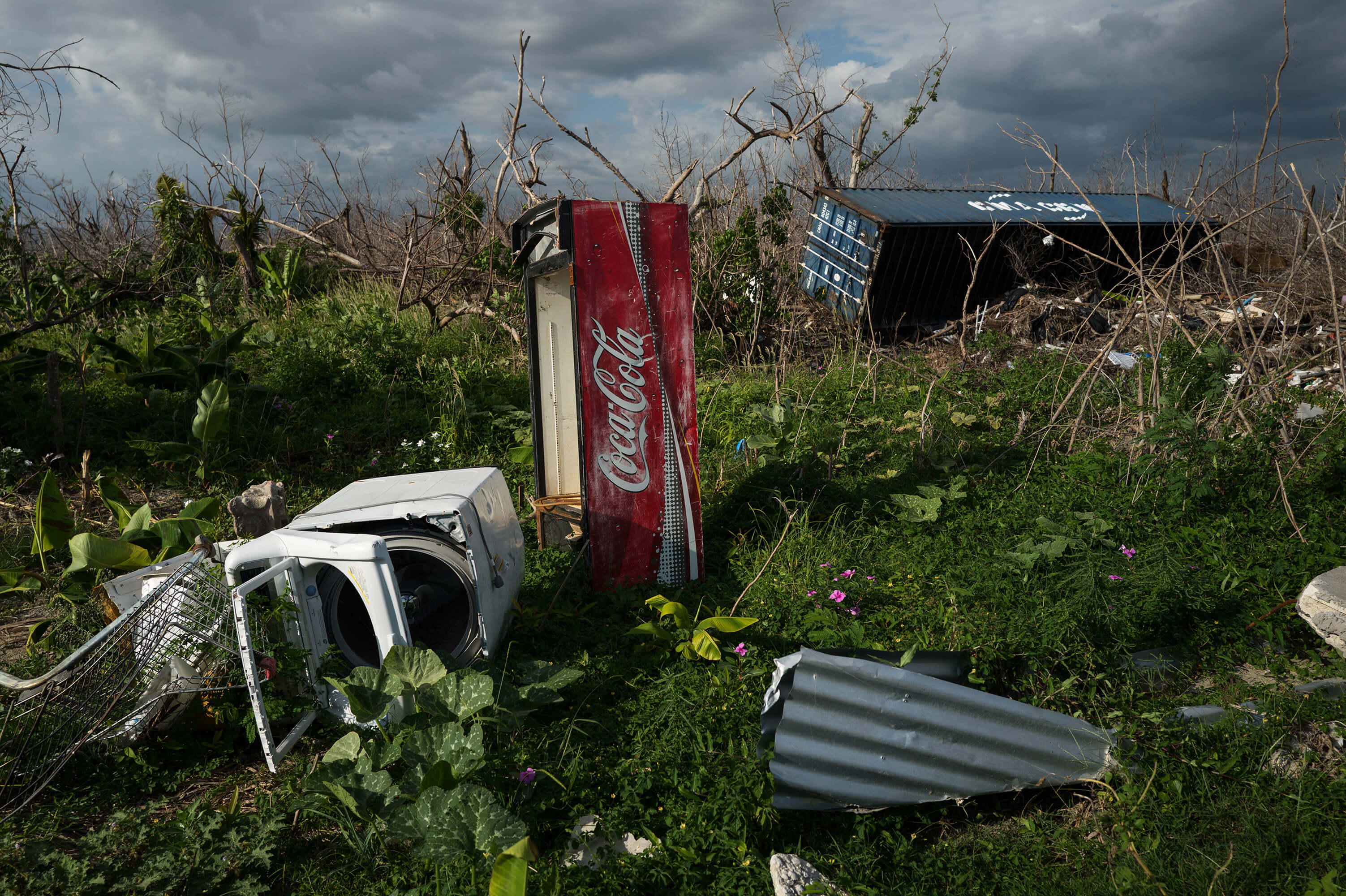
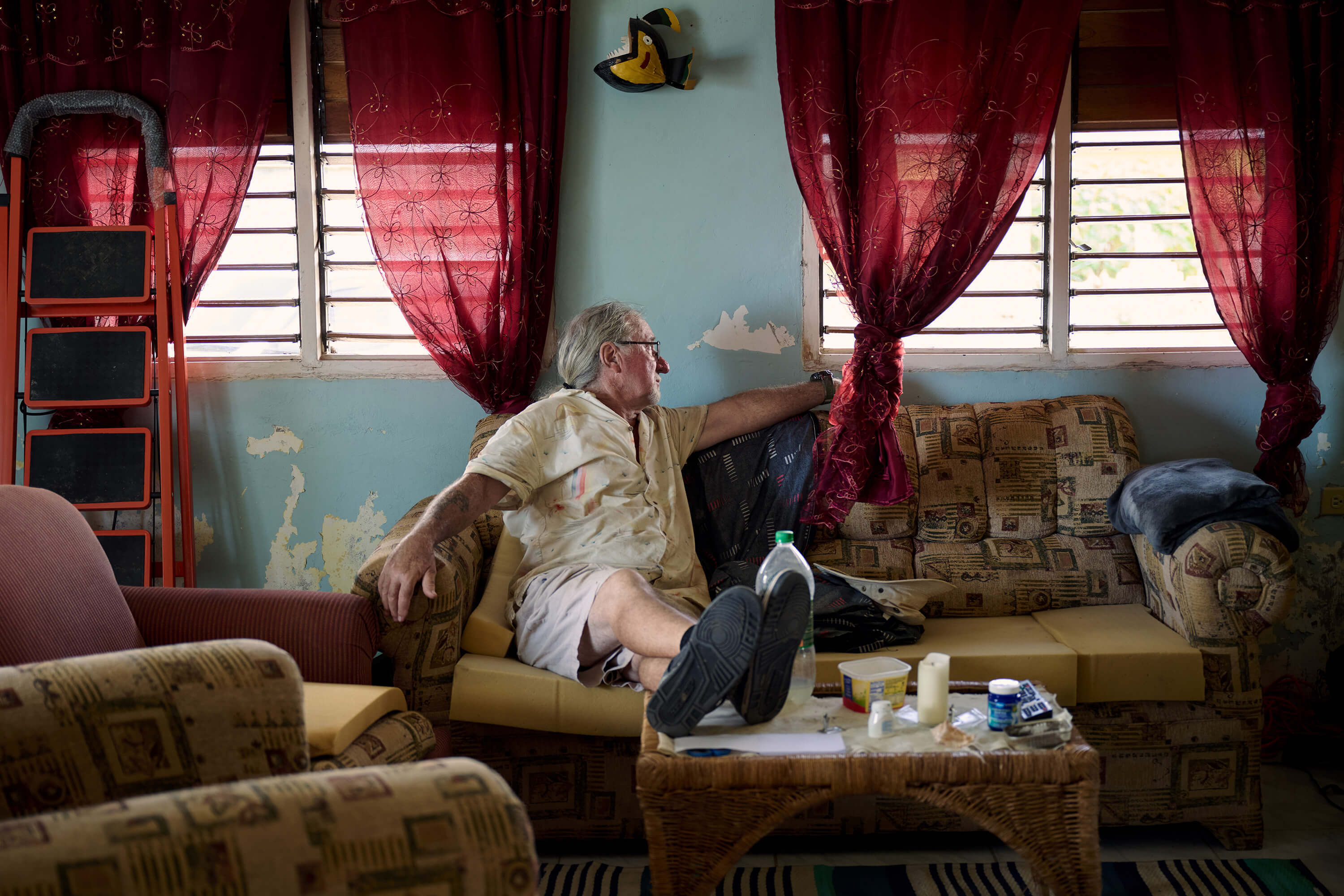
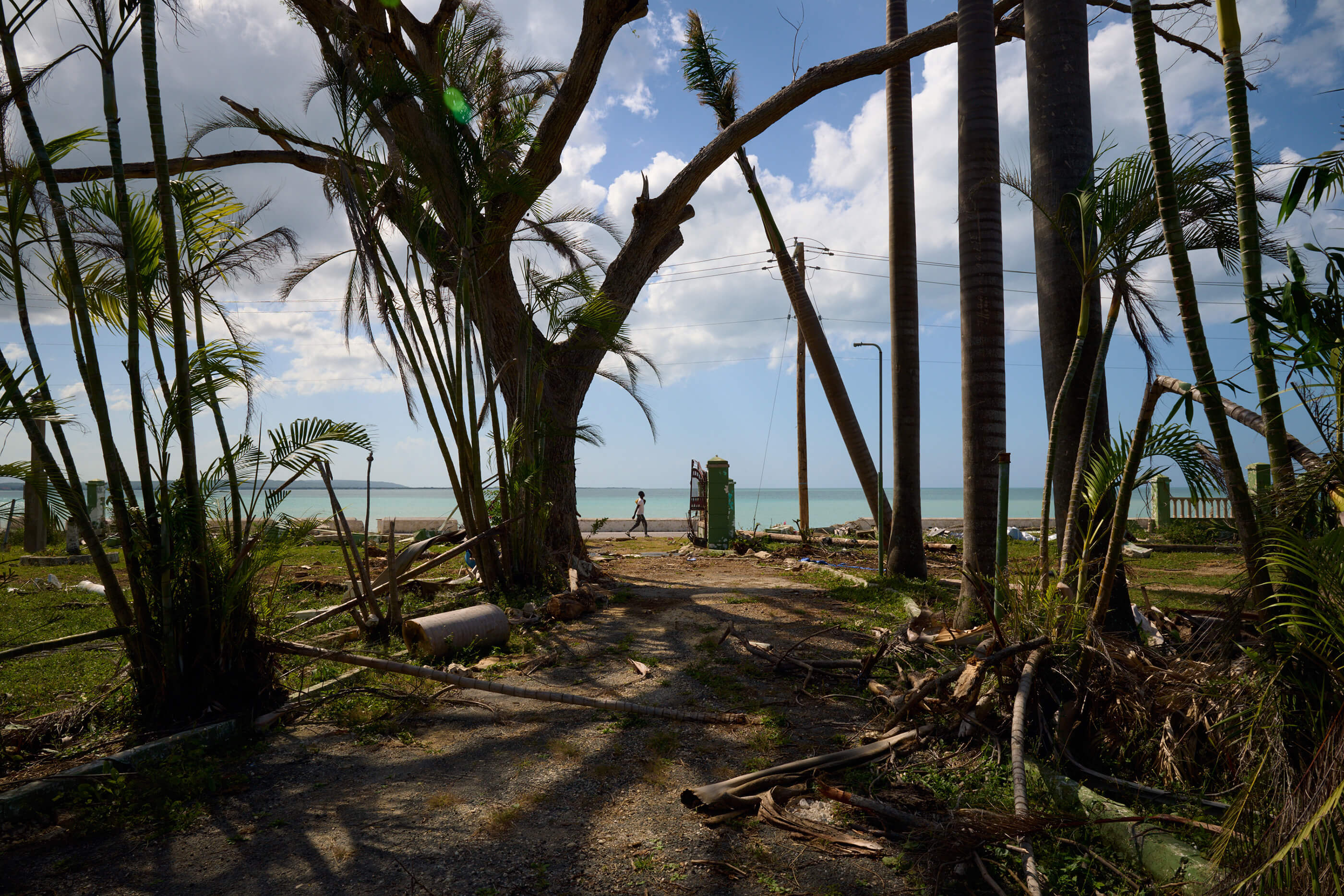
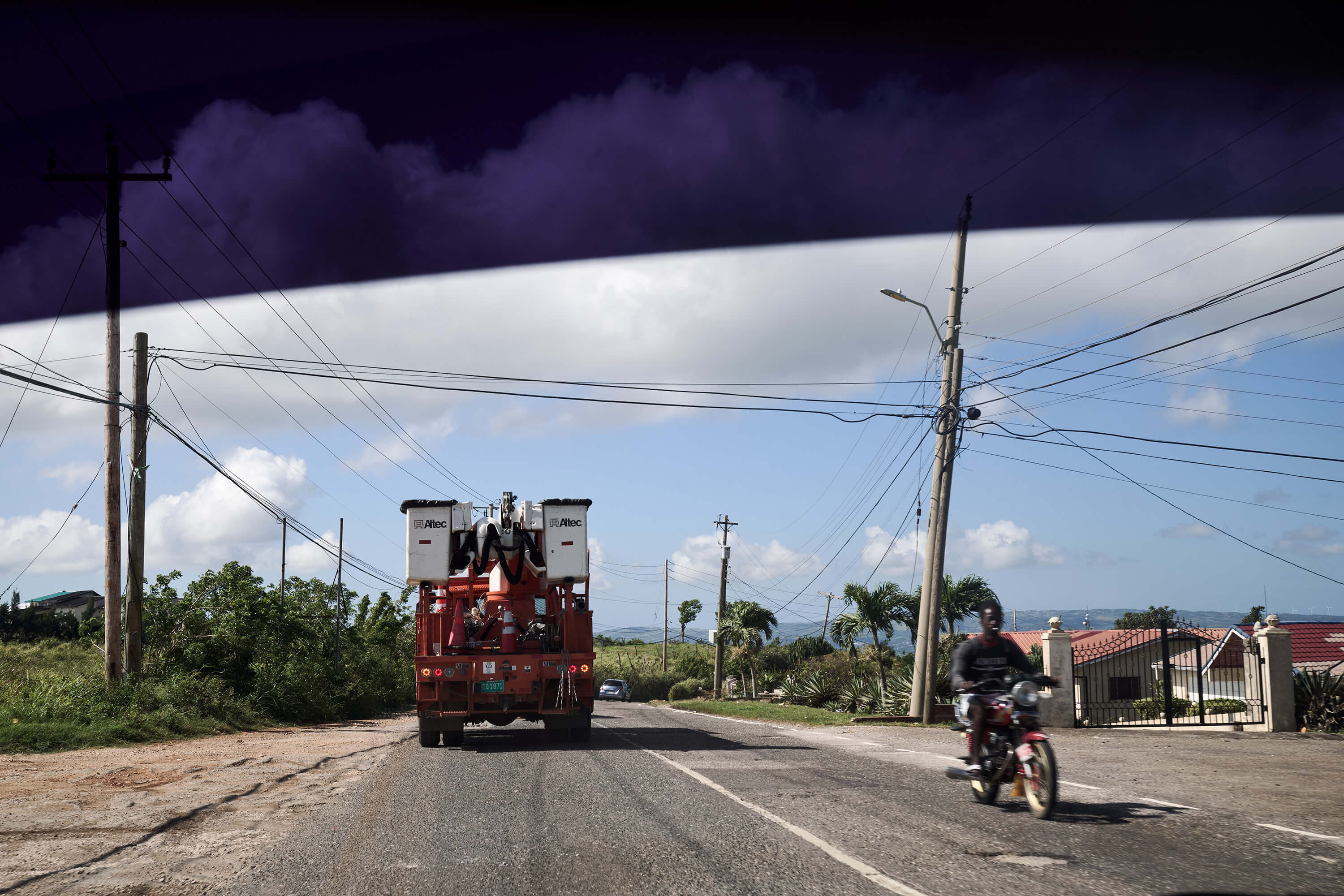
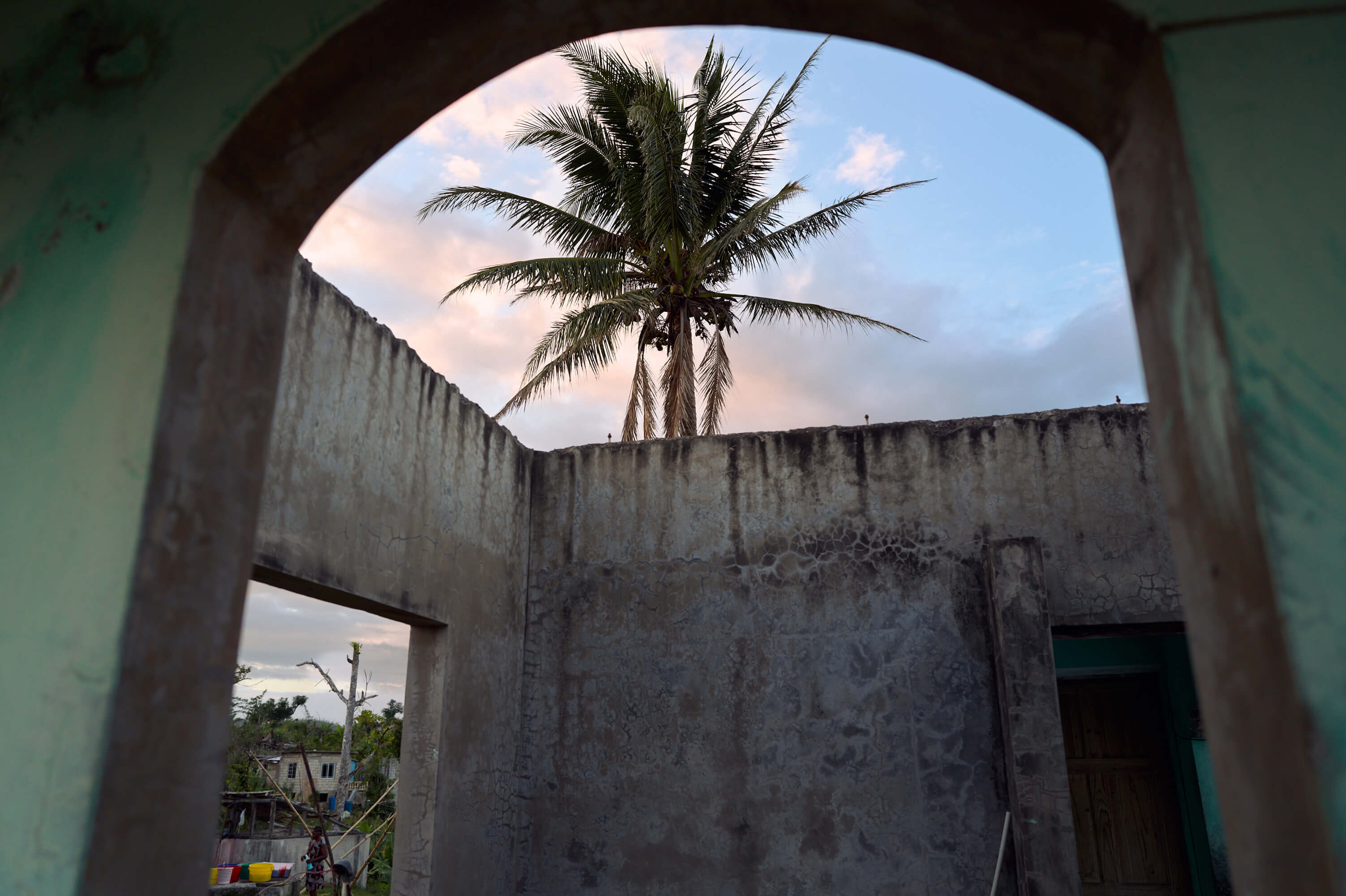
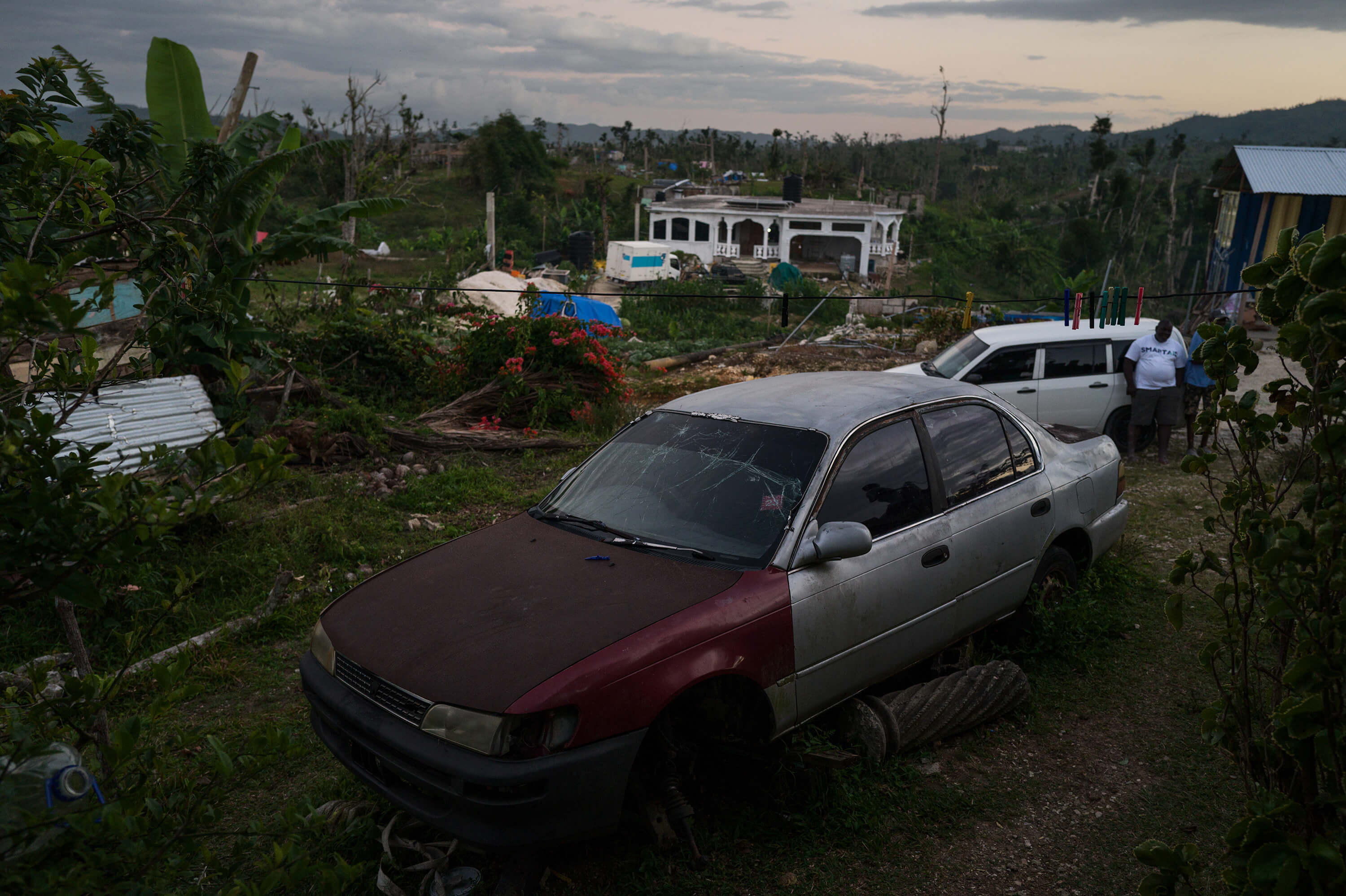
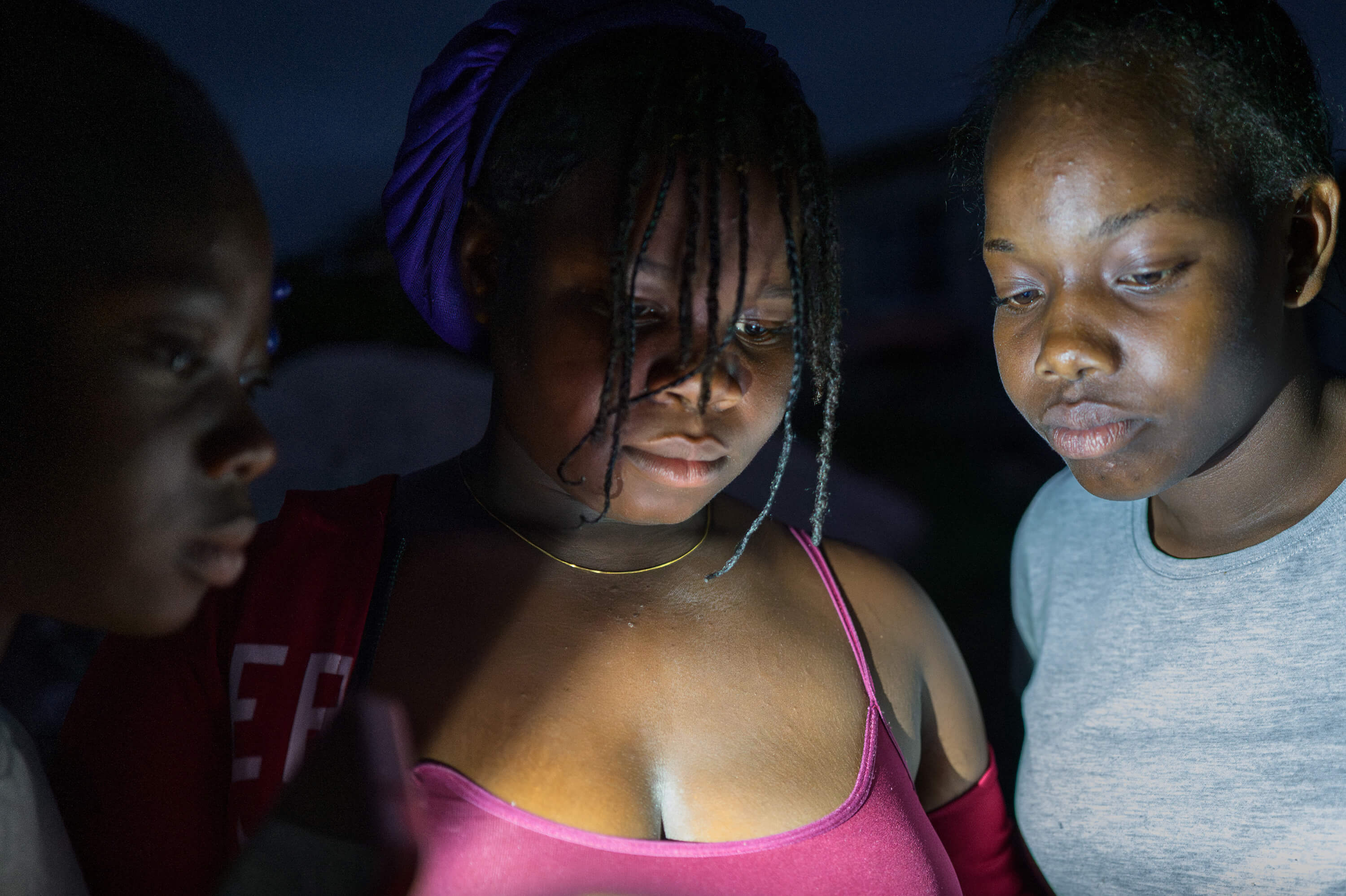
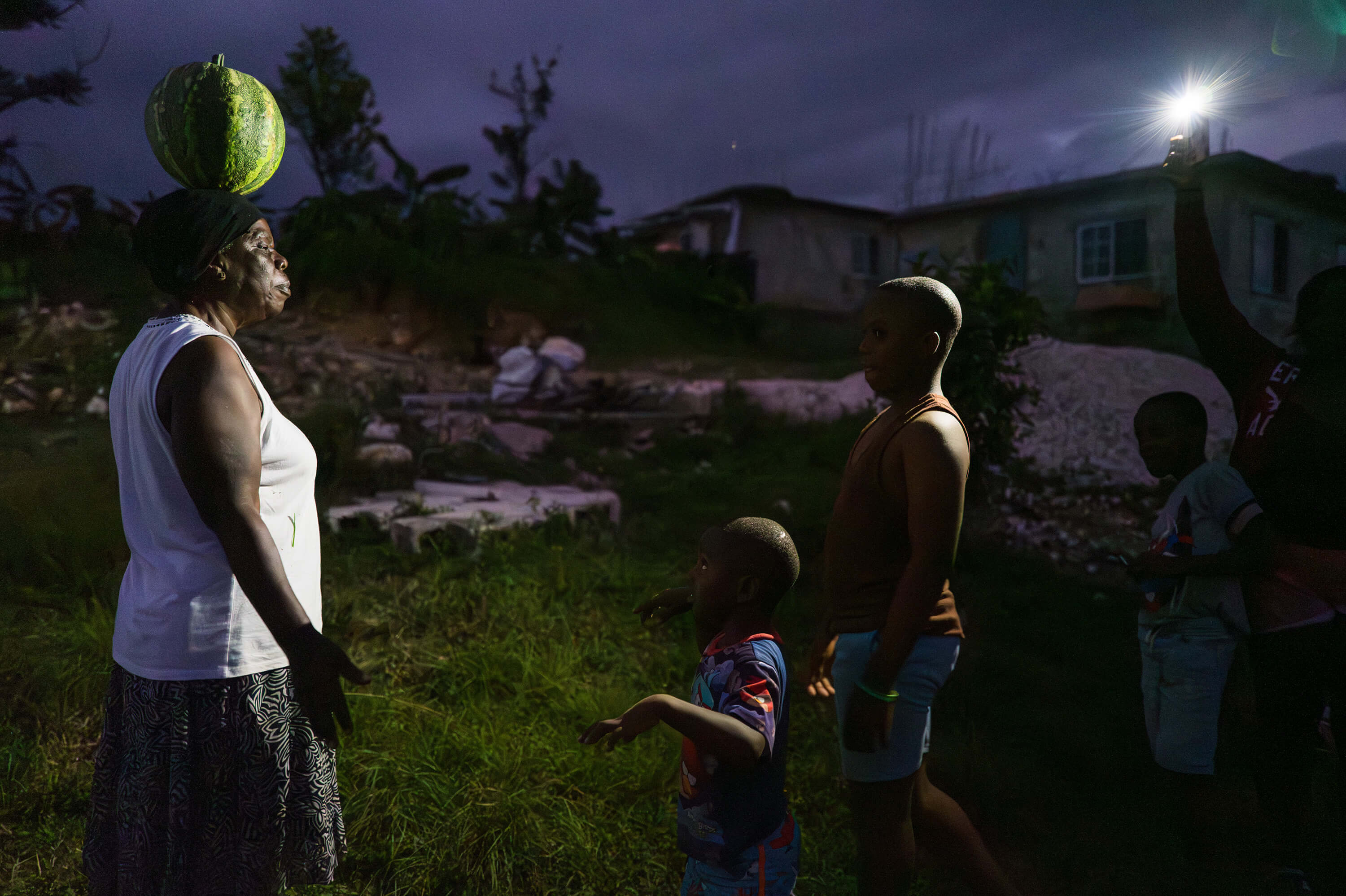
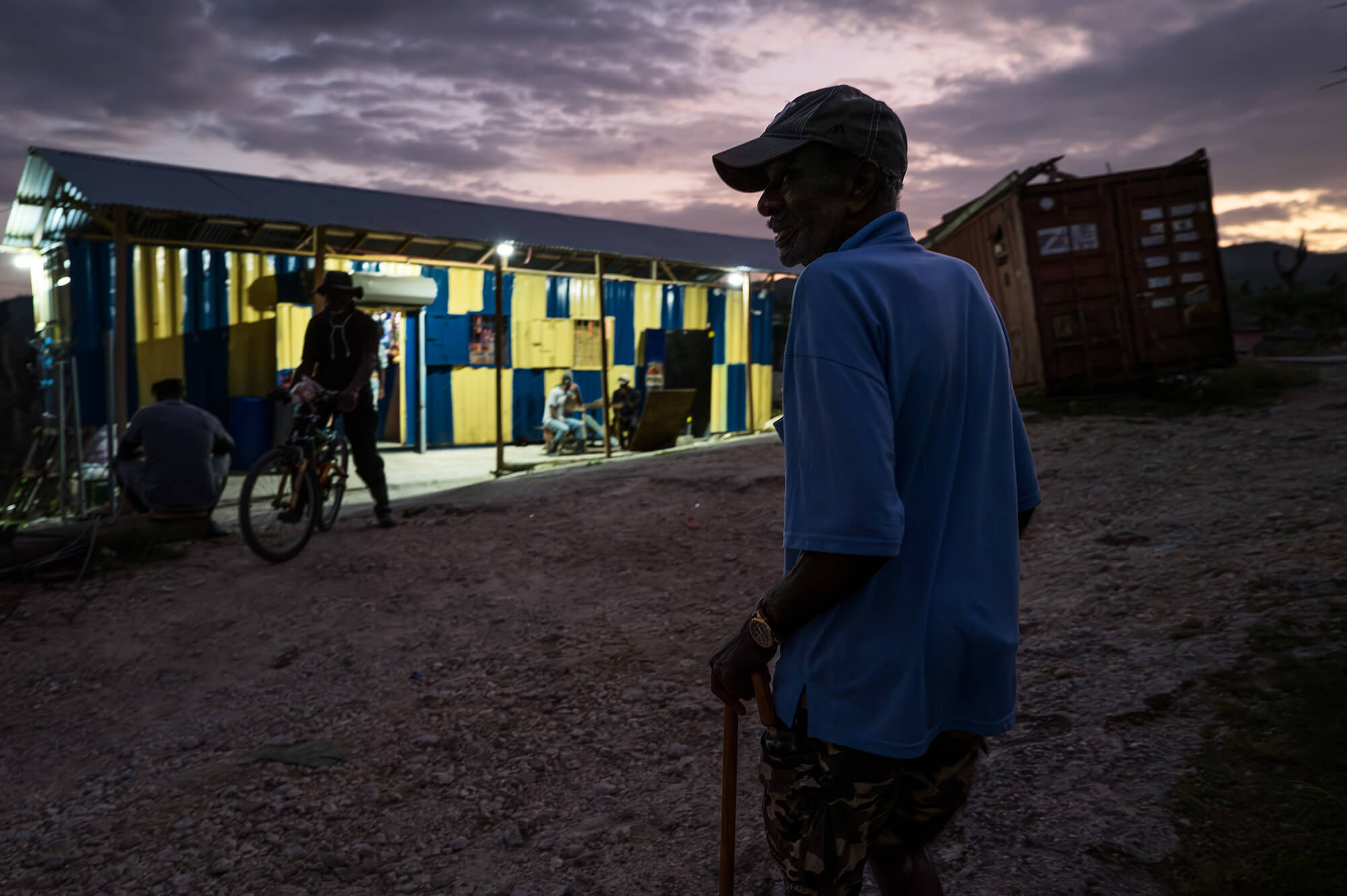
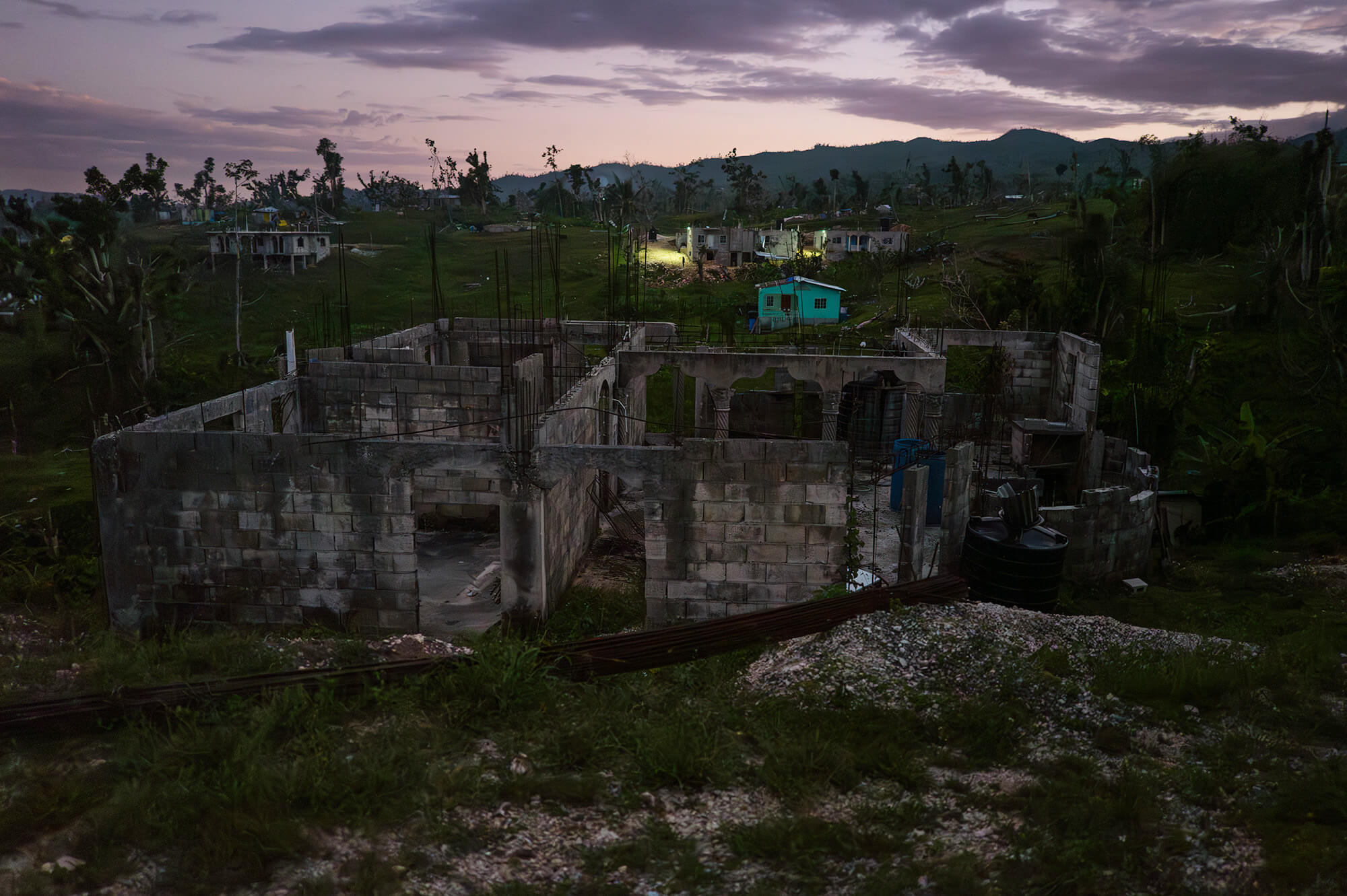
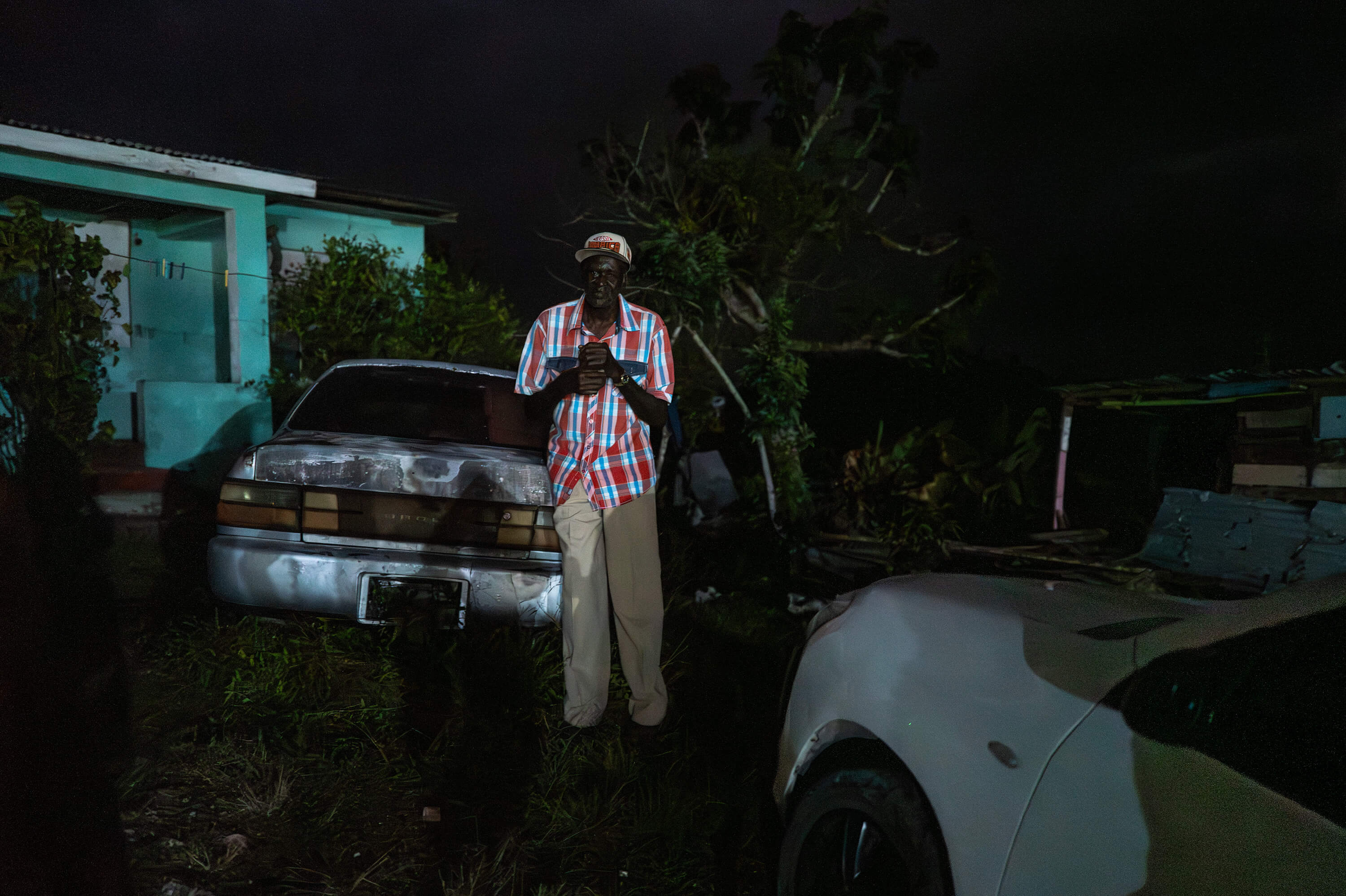
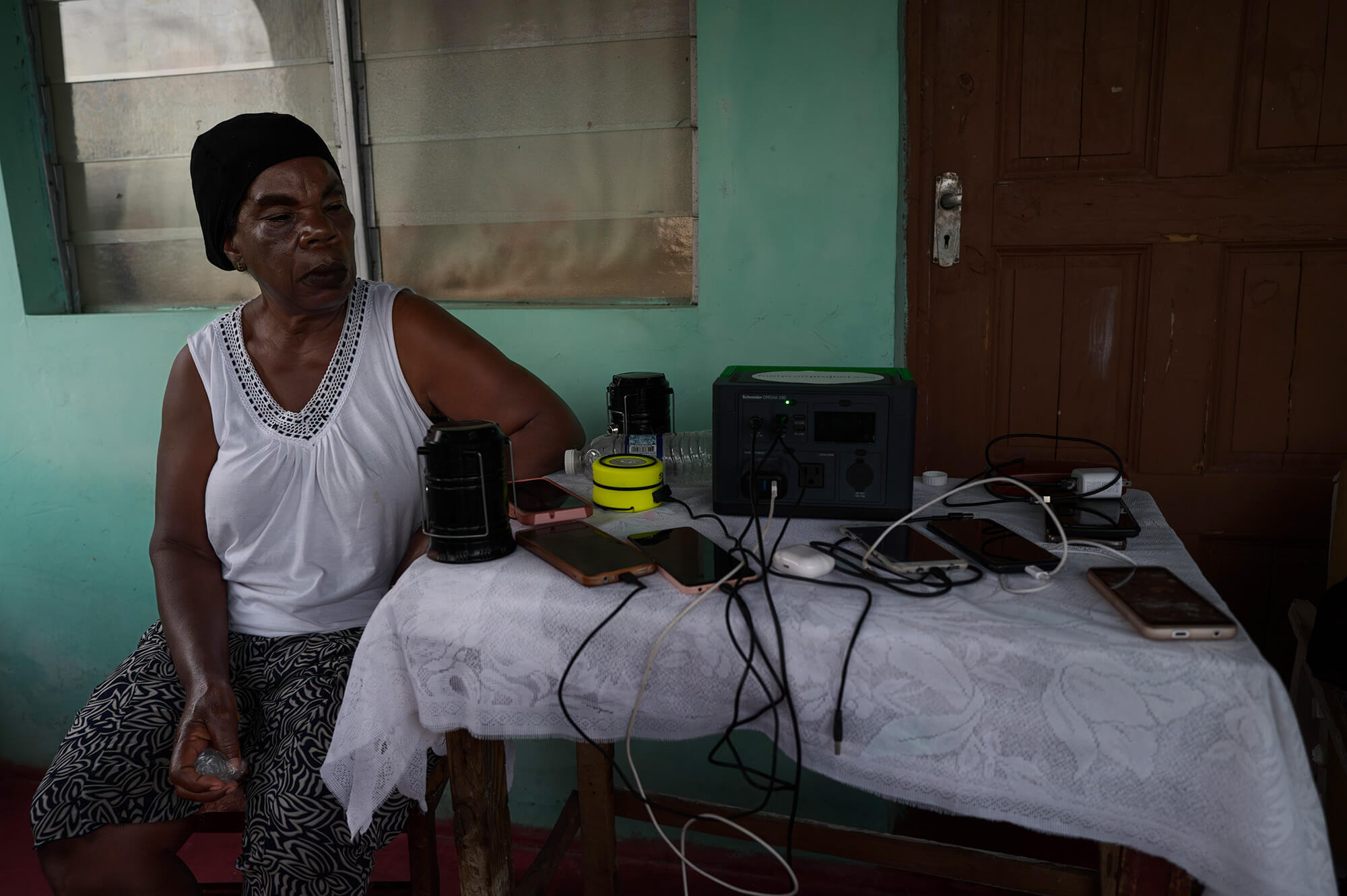
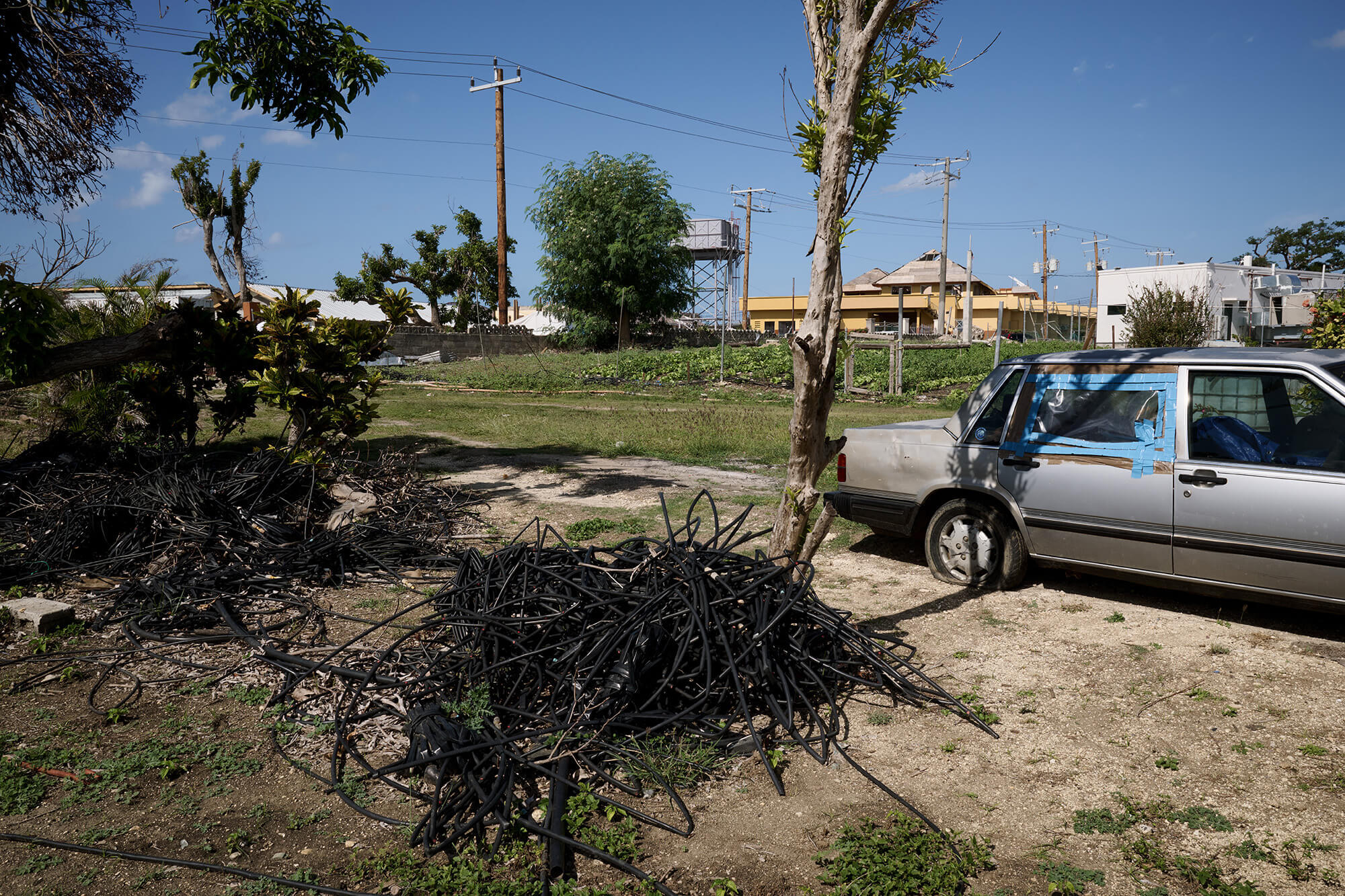
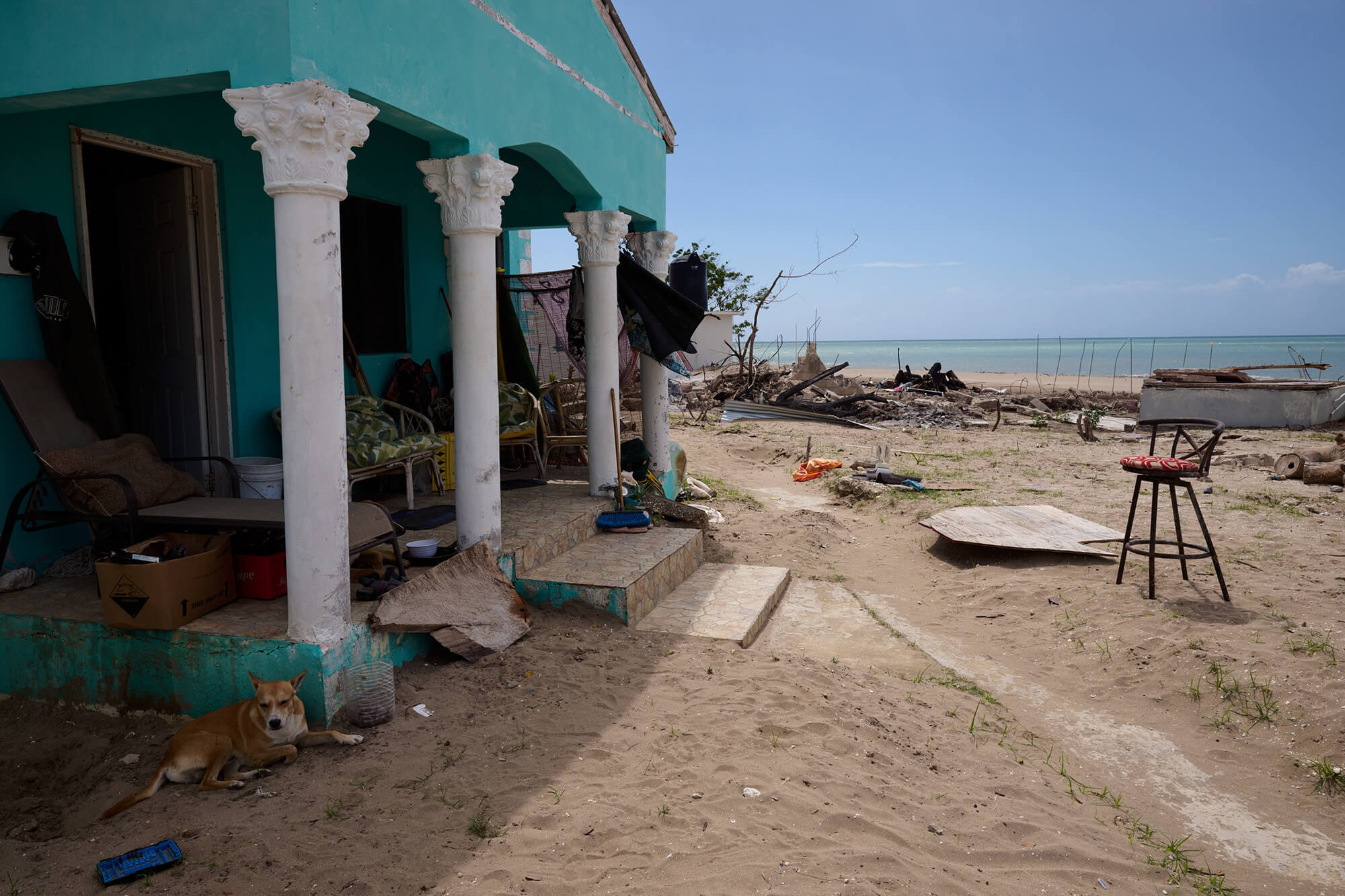
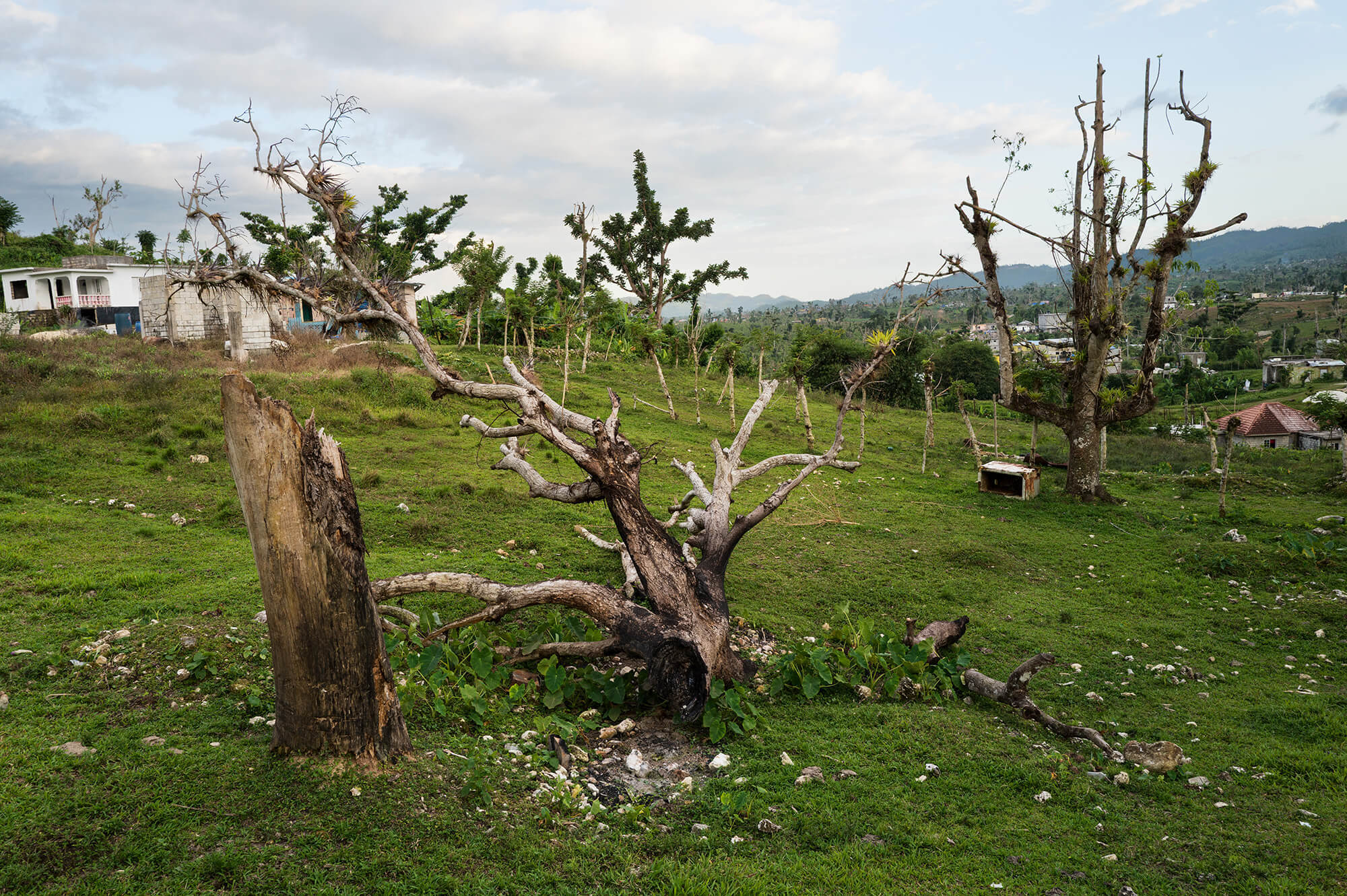
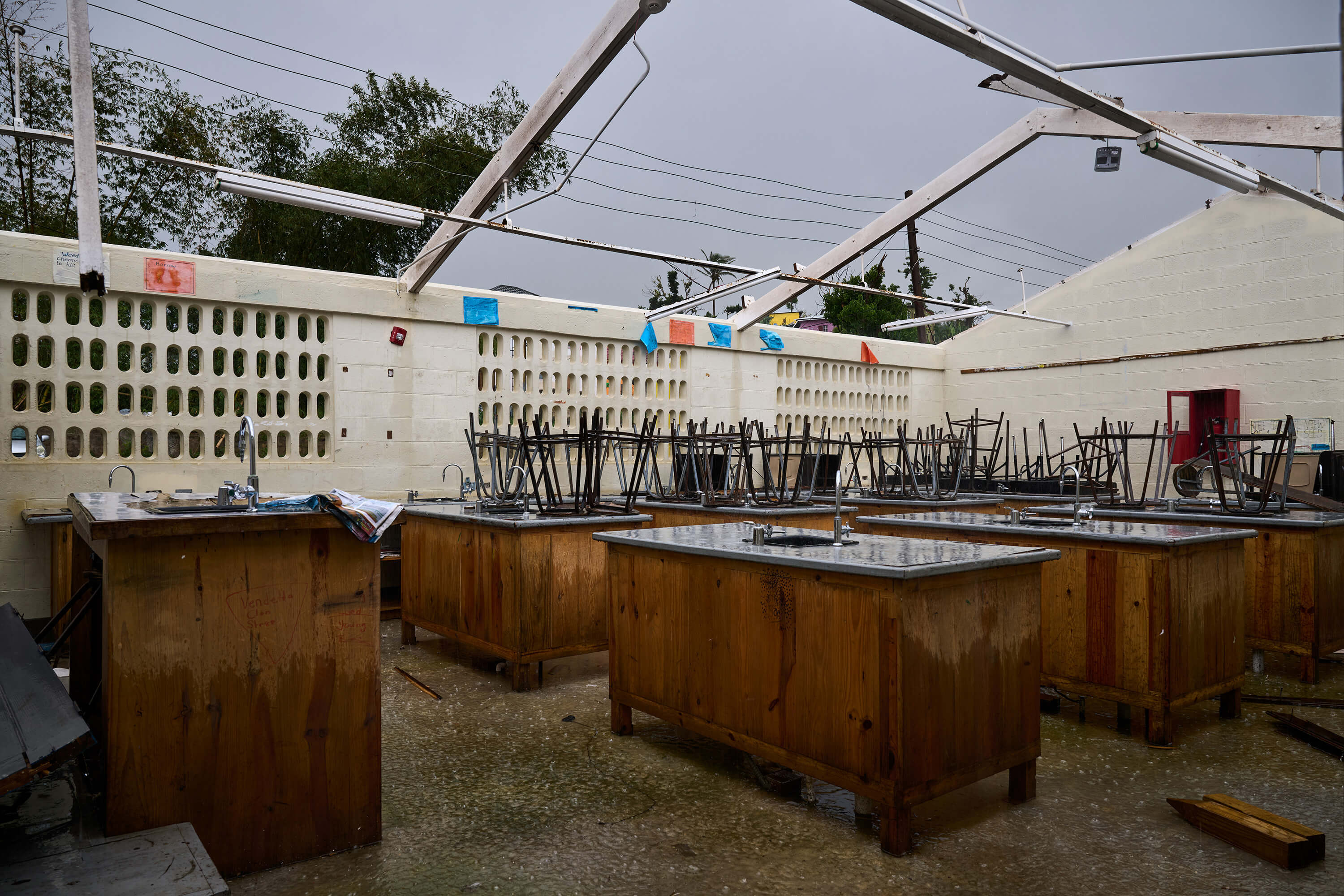
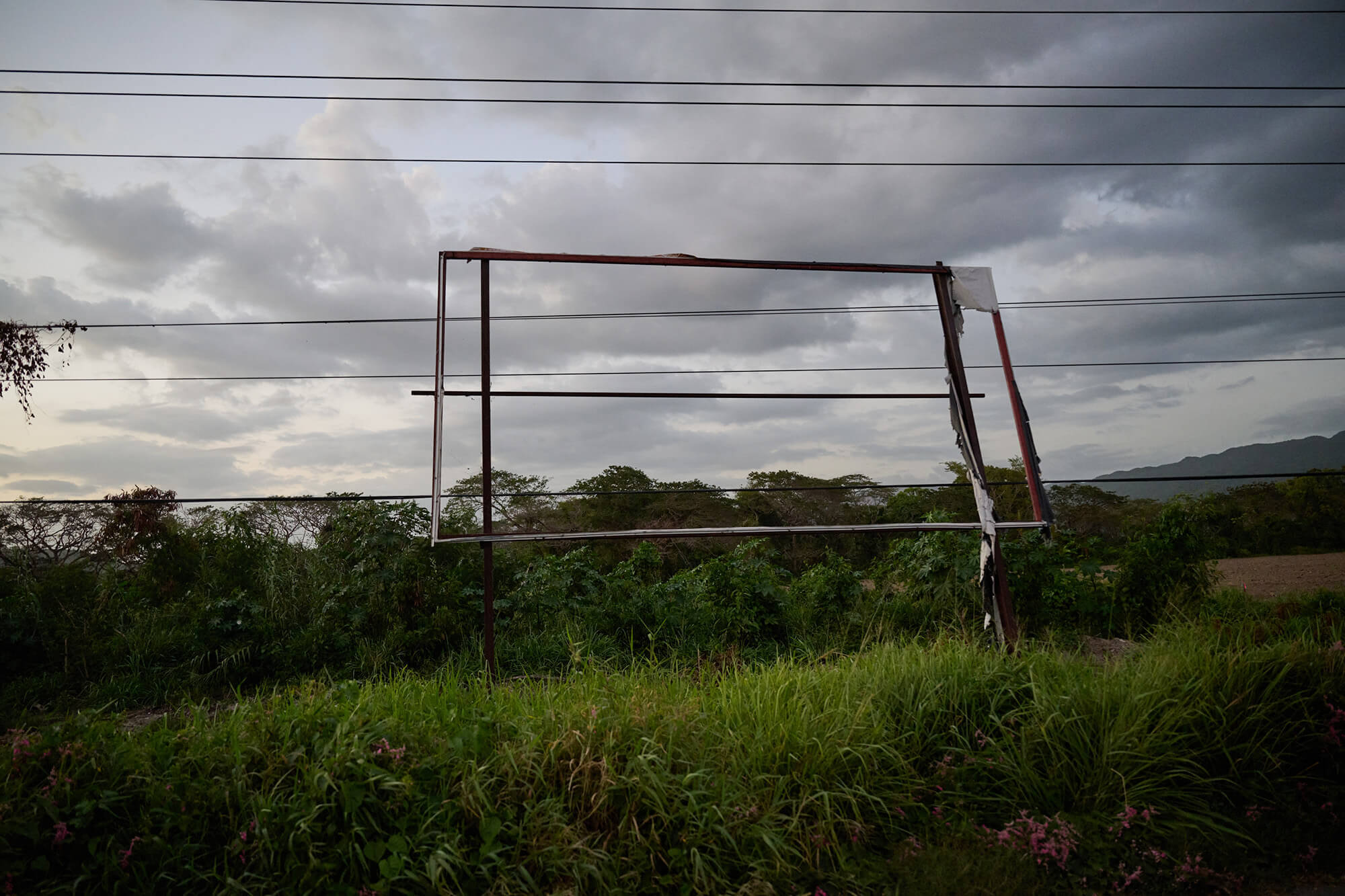
Blue tarpaulins stretched over damaged roofs, downed power lines running alongside washed-out roads, and widespread power outages. In February 2026, four months after Hurricane Melissa, large parts of Jamaica were still living under disaster conditions. Emergency relief had largely run its course, while a lack of funding and disrupted transport were holding back reconstruction.
The cyclone struck the island’s northern and western coasts in October 2025 with winds of nearly 300 km/h. It was the second most powerful hurricane ever recorded in the Atlantic and the strongest ever to hit Jamaica. Scientists say its intensity was directly amplified by climate change: unusually warm waters in the Caribbean Sea provided the energy that fuelled the storm’s rapid intensification.
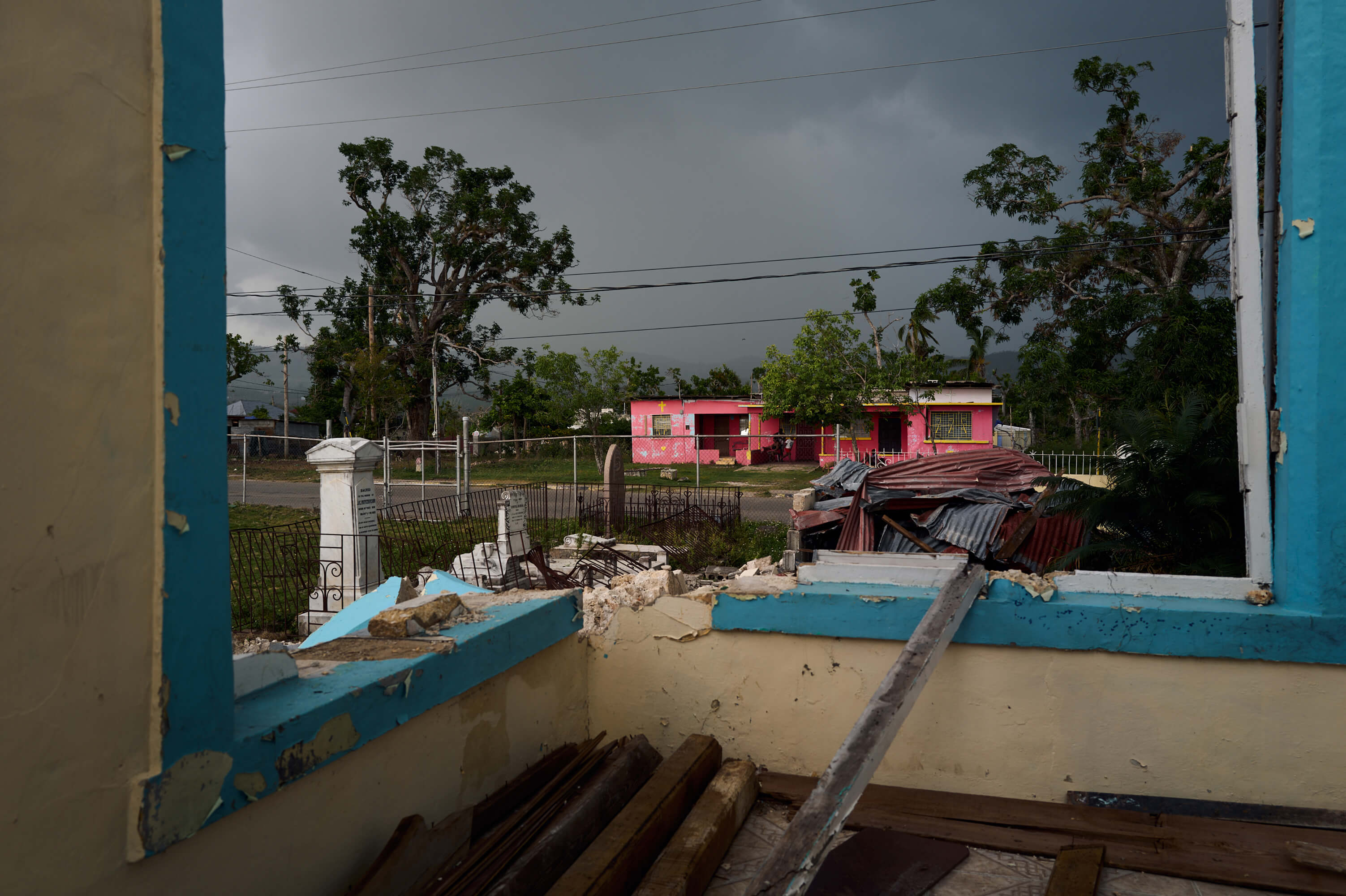
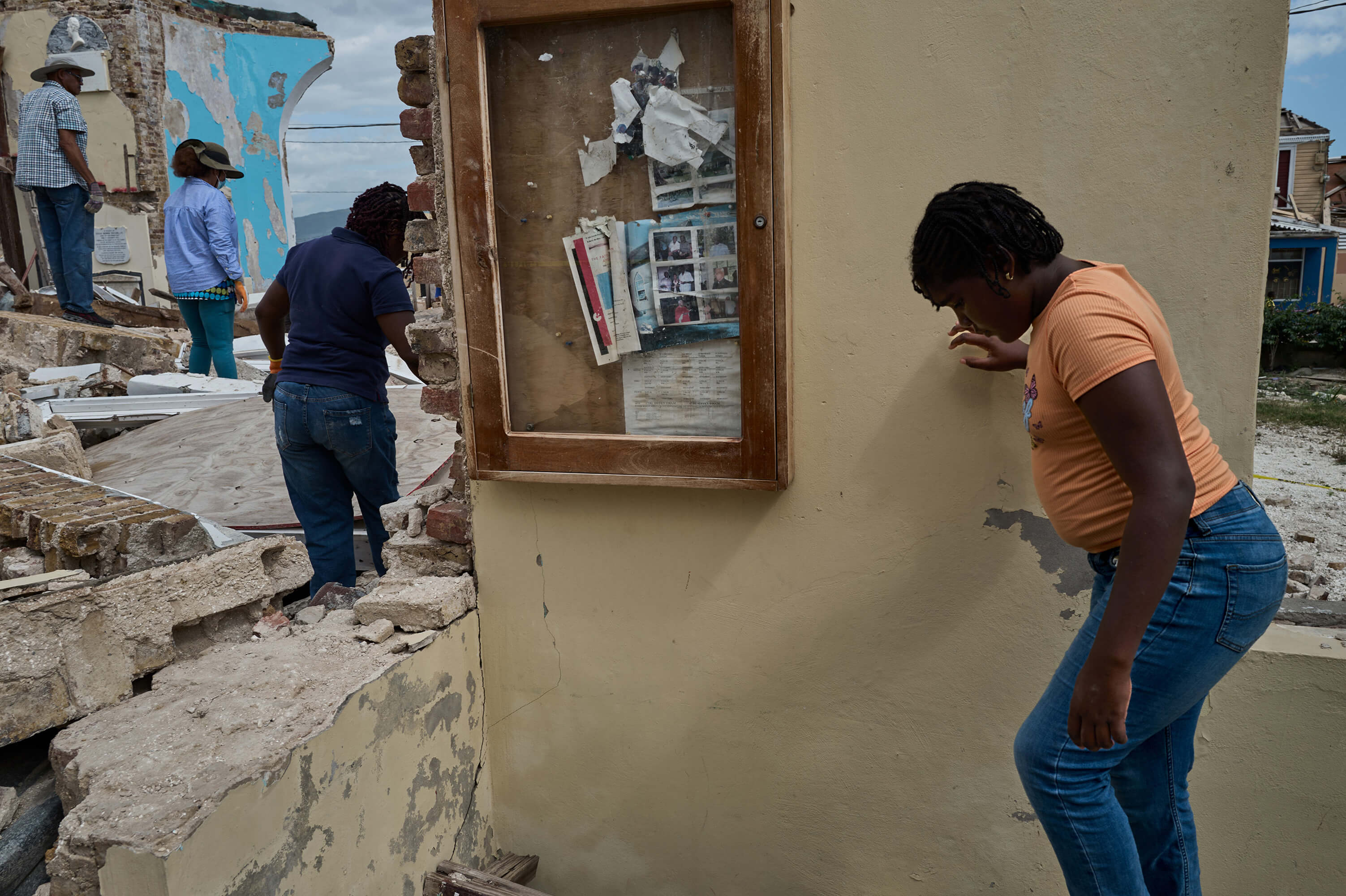
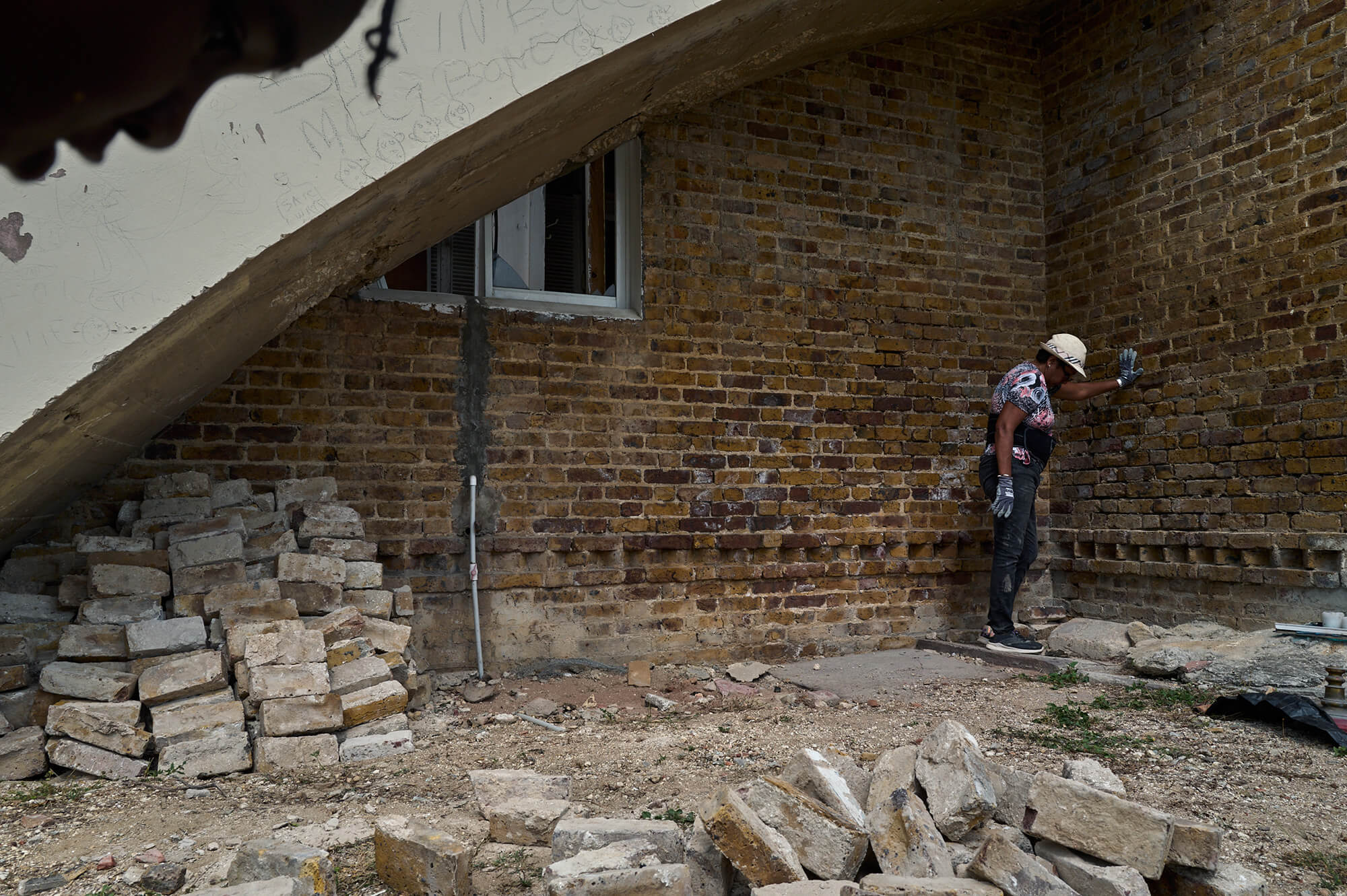
The destruction affected Jamaica’s main tourist regions, including Montego Bay, Ocho Rios, Negril and the southern coast. The heaviest losses were recorded in the agricultural parish of St. Elizabeth. Before the disaster, its capital, the small town of Black River, was an architectural and historic landmark, with grand residences attracting affluent expatriates escaping harsh winters in their home countries. It was here, at the Waterloo Guest House, that Jamaica’s first electric light bulb was switched on in 1893. The hurricane reduced the building to rubble, along with around 90 percent of the town.
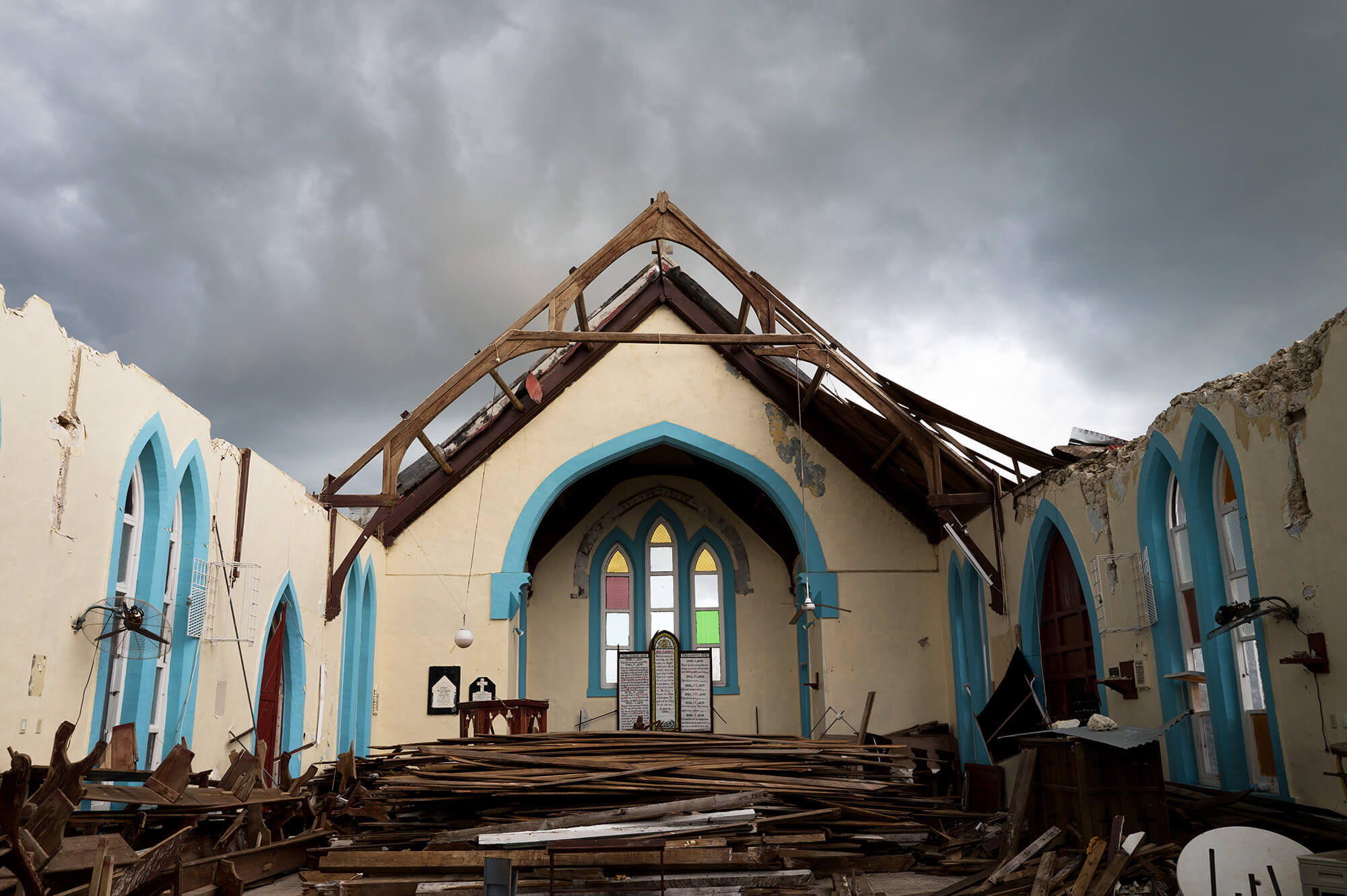
Winds and storm surge destroyed 19th-century buildings with ornate verandas and brought down the walls of St. John’s Anglican Church, leaving only its clock tower standing. For weeks, residents were cut off from supplies of food, clean water and assistance. Several people were killed in Black River itself, while across the wider region, including Haiti and Cuba, the death toll rose into the dozens.
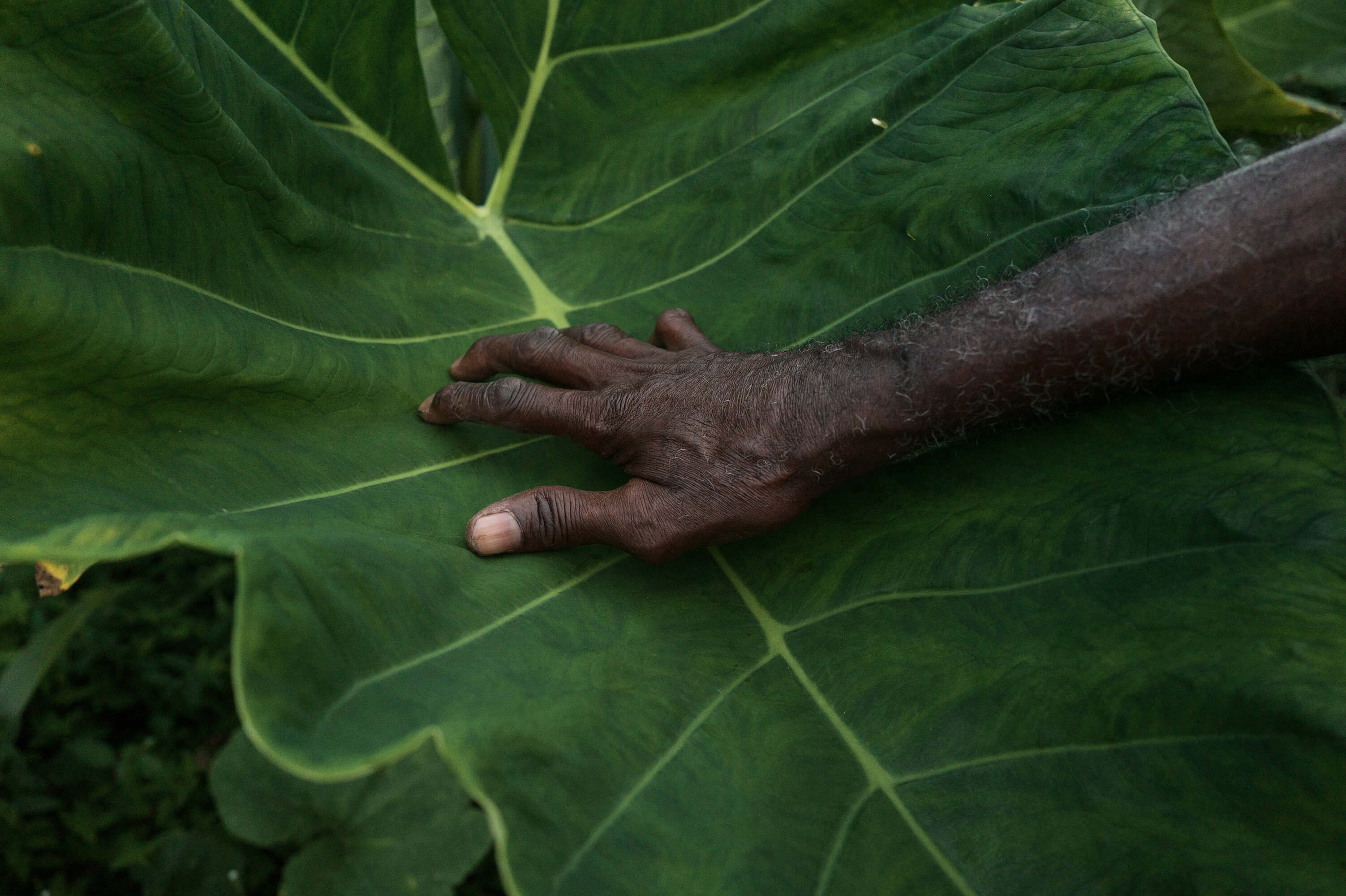
Damage caused by Melissa is estimated at around $50 billion. For small island states, losses on this scale can amount to years of development spending and a substantial share of national GDP. The hurricane destroyed banana, coffee and sugar cane crops, depriving farmers of income and forcing the country to import more food. Above all, however, it triggered a collapse in tourism. Melissa struck just before the peak winter season, cutting Jamaica off from its main source of income for months.
Luxury resorts in the north reopened relatively quickly, supported by payouts from international insurance policies. Larger complexes began receiving guests again around March and April 2026. The south is rebuilding without comparable support.
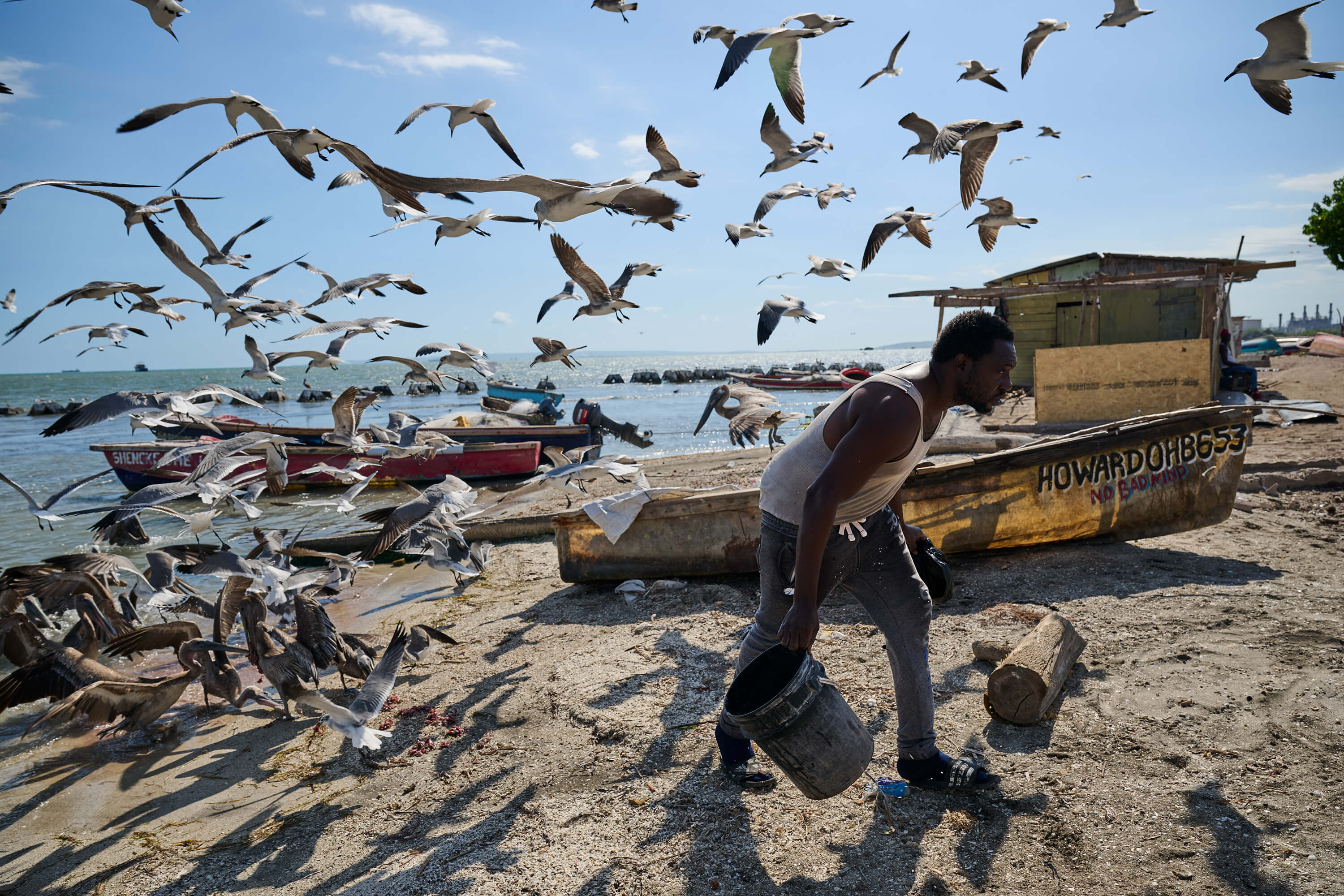
One symbol of local tourism in the region is Pelican Bar, a wooden bar on stilts built on a sandbank off the coast near Black River and Treasure Beach. Before the hurricane, it was a popular destination for day trips sold to tourists by hotels across the island. The income generated by the bar flows directly to local fishermen, craftspeople and boat captains.
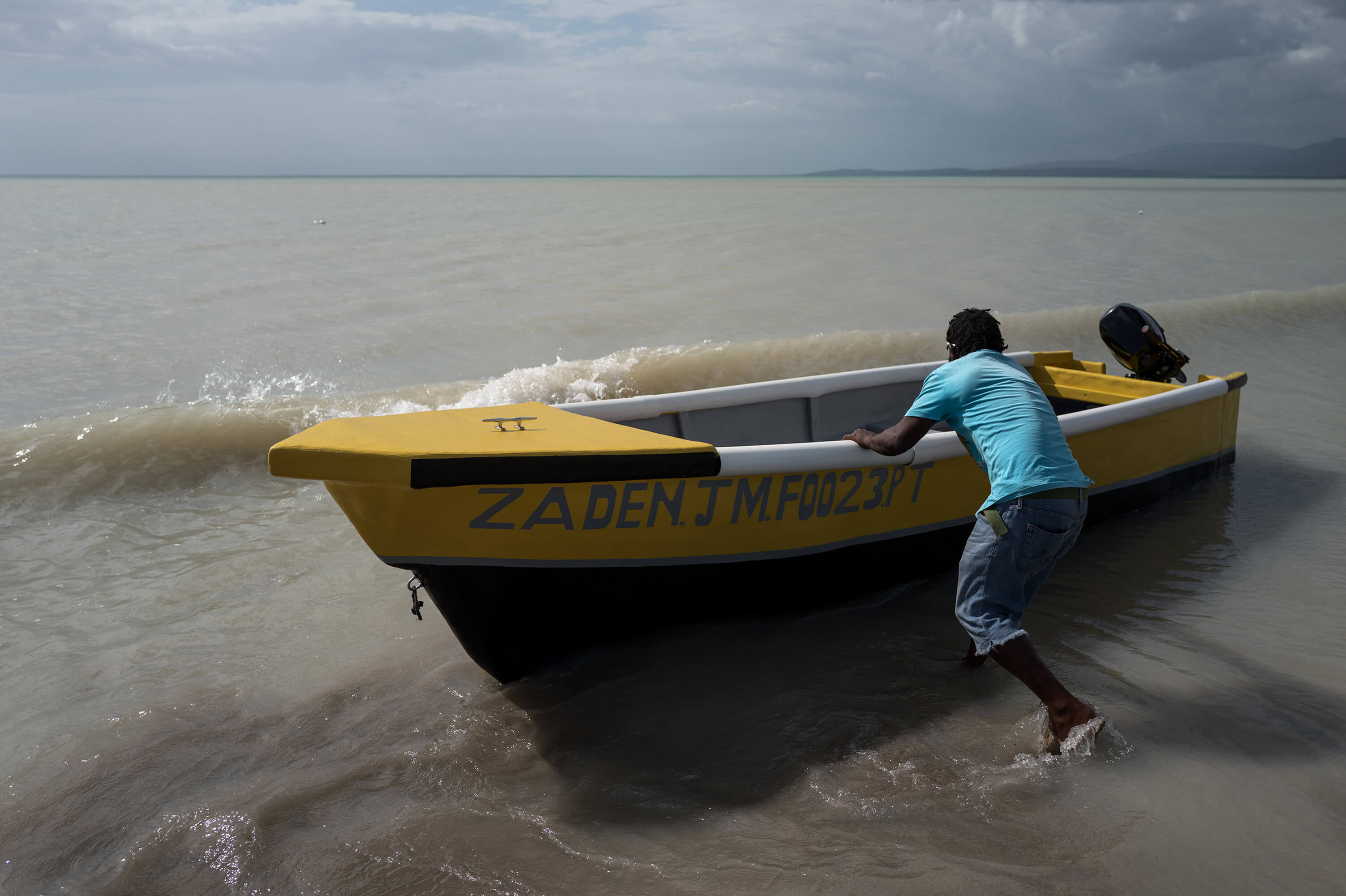
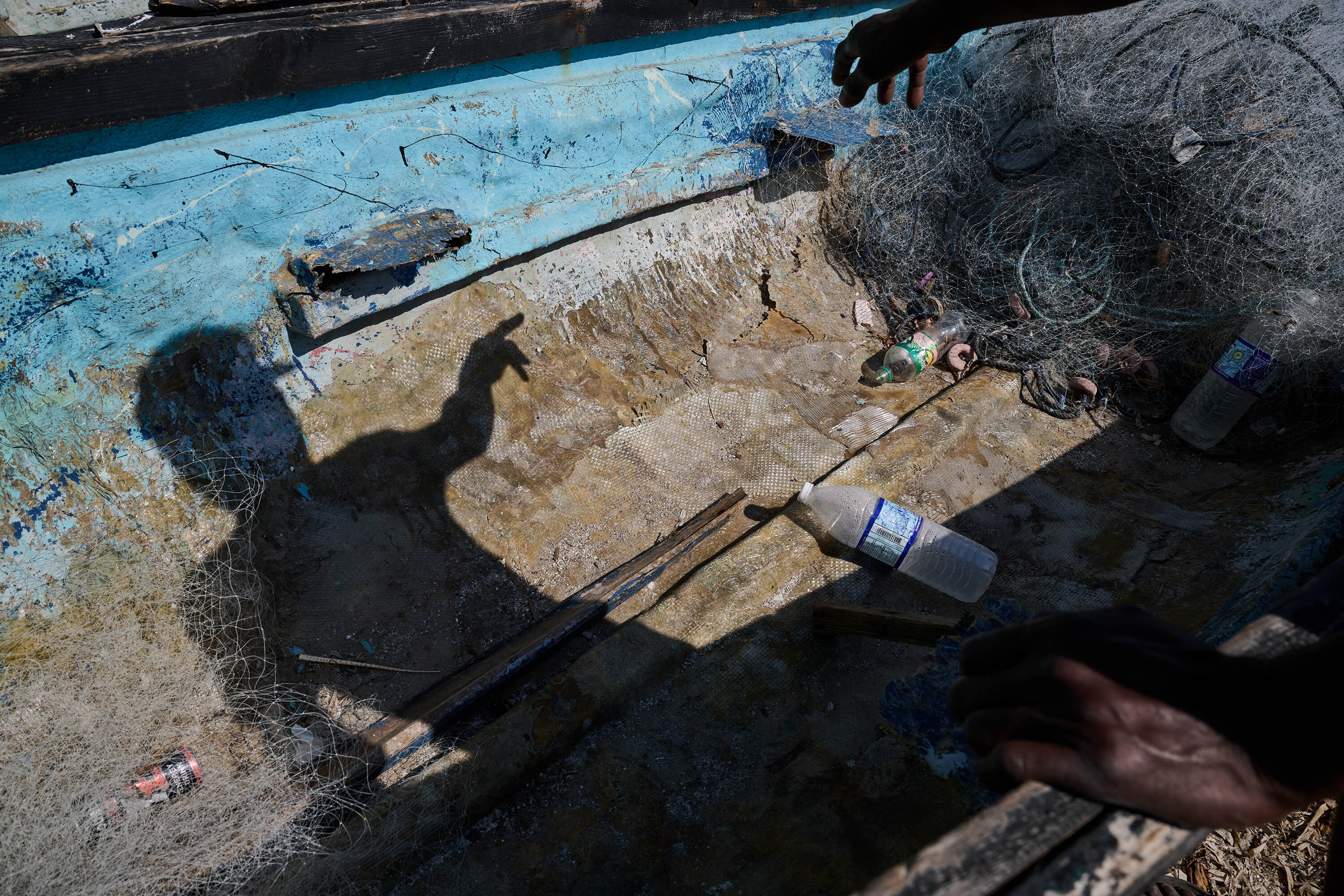
Rebuilding it quickly became a priority and mobilised the entire community, including fishermen, local foundations and Jamaican businesses. While government infrastructure projects became bogged down in procurement procedures, local boat captains transported timber at their own expense and rebuilt the structure themselves.
For residents of St. Elizabeth, the return of the bar to the sandbank was a matter of livelihood. It sent a signal to boat operators, guides and suppliers that tourists were beginning to return to the south coast.
When planning a trip ahead of the next season, it is worth considering the economic system our own spending supports. Responsible tourism in areas affected by climate change does not necessarily mean giving up travel. It means redirecting the flow of money so that capital reaches the places where it is most needed.
The pace of recovery in southern Jamaica will therefore depend not simply on whether tourists return before the new season, but on where their money goes: whether it adds to the profits of international hotel chains operating in enclosed resorts in the north, or reaches local fishermen, boat operators and owners of small guesthouses directly.
The material was produced for SmartAID.