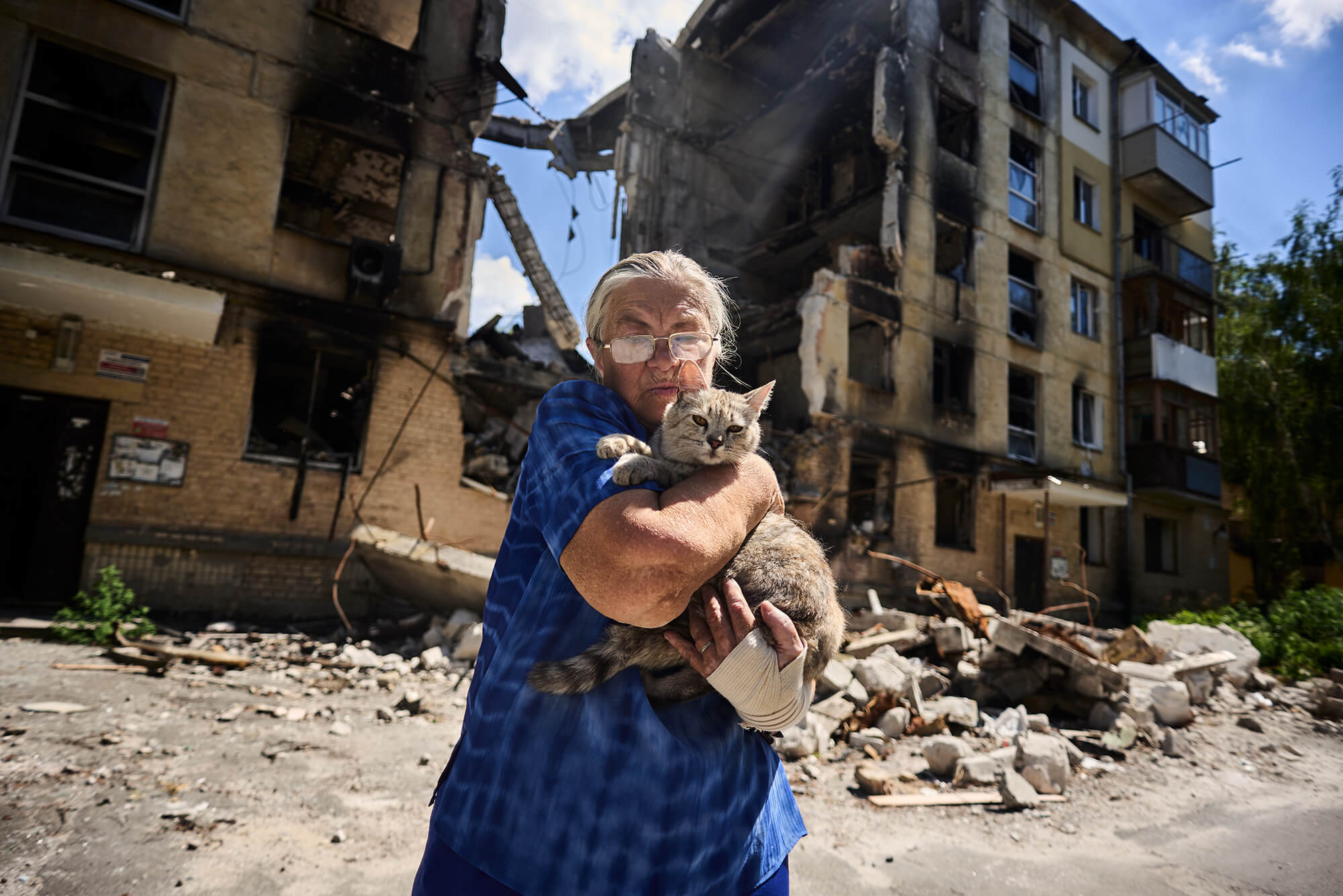
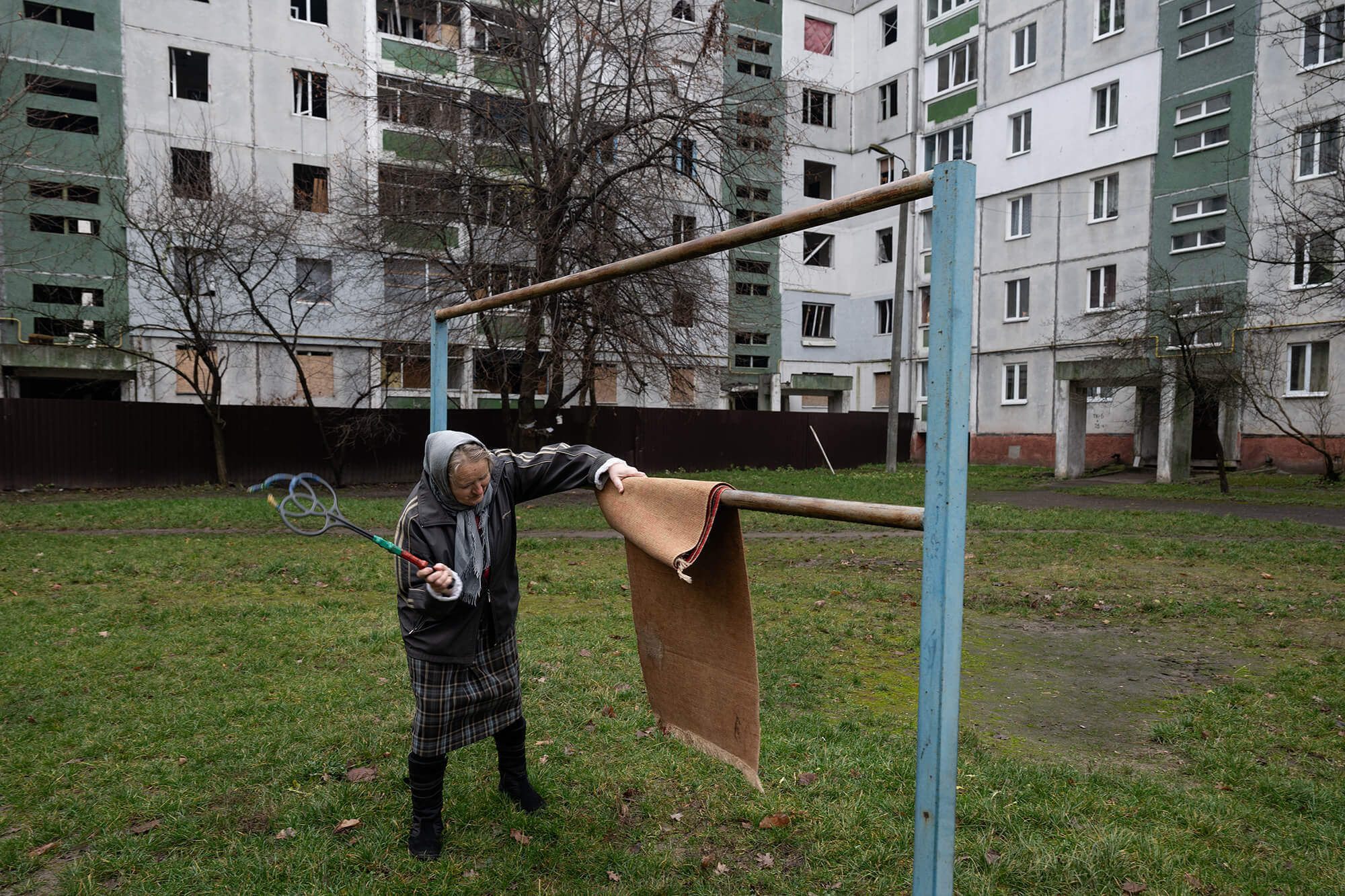
Russia's attack on Ukraine has led to one of the largest humanitarian crises in Europe since World War II. It hit the residents of social care facilities with particular force.
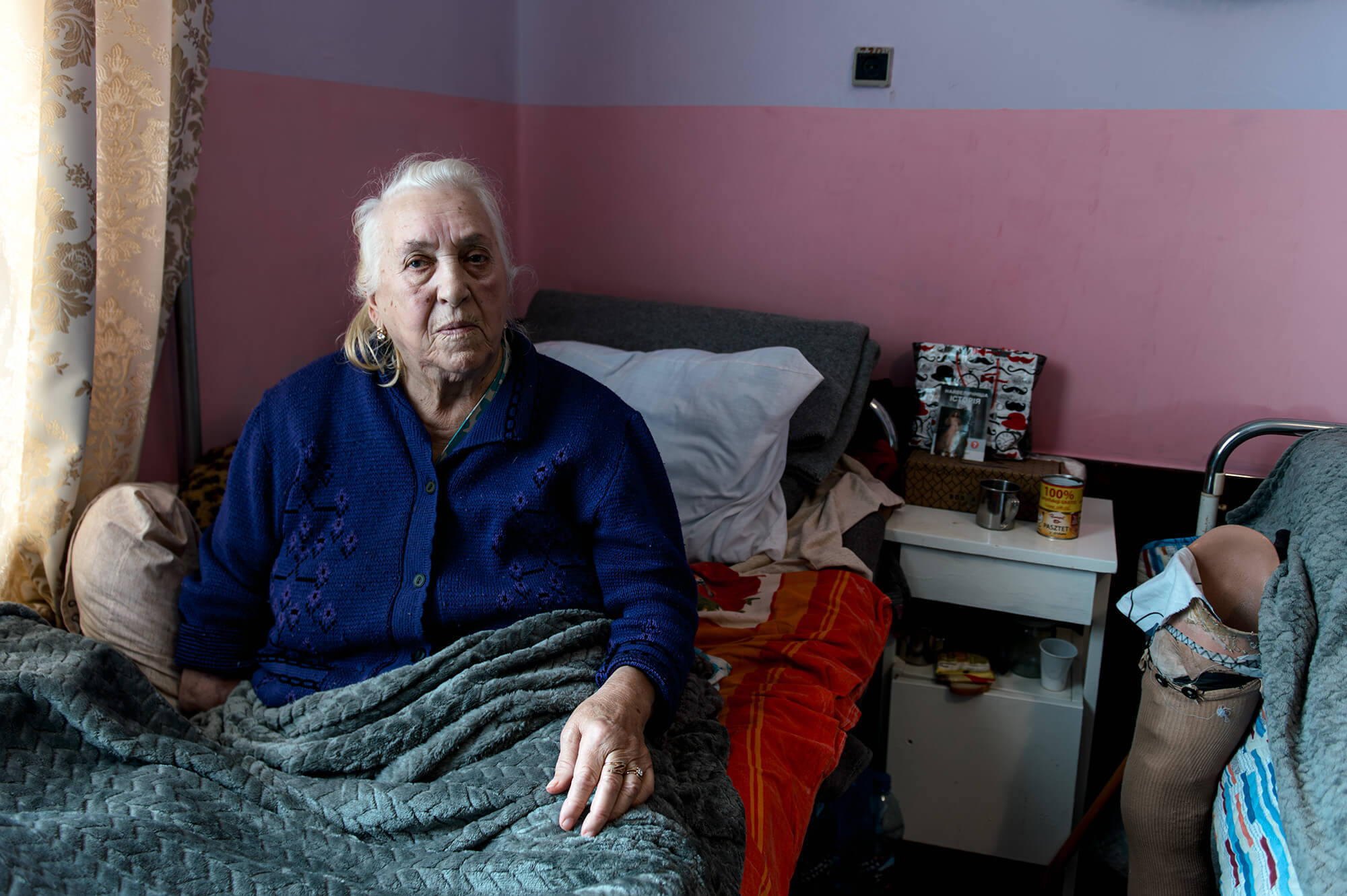
Train journeys lasted 30 or even 40 hours. For seniors and people with disabilities evacuated from places such as Kharkiv, Zaporizhzhia, Kramatorsk, or Mariupol, the multi-day trip drastically increased disorientation. The sounds of sirens and explosions triggered states of psychosis, aggression, or catatonia. Many, struggling with intellectual disabilities, did not understand why they had to leave their homes.
The need for evacuation was a direct result of Russia's attacks on civilian infrastructure. According to the Ukrainian Ombudsman, Russians completely or partially destroyed 26 care facilities, including in Kherson and Bakhmut. Before the outbreak of the war, nearly 38,000 people stayed in 245 such centers. By the beginning of 2024, about 4,500 of them had been evacuated – the majority went to safer oblasts of the country, and nearly a thousand abroad. Not all residents could be saved.
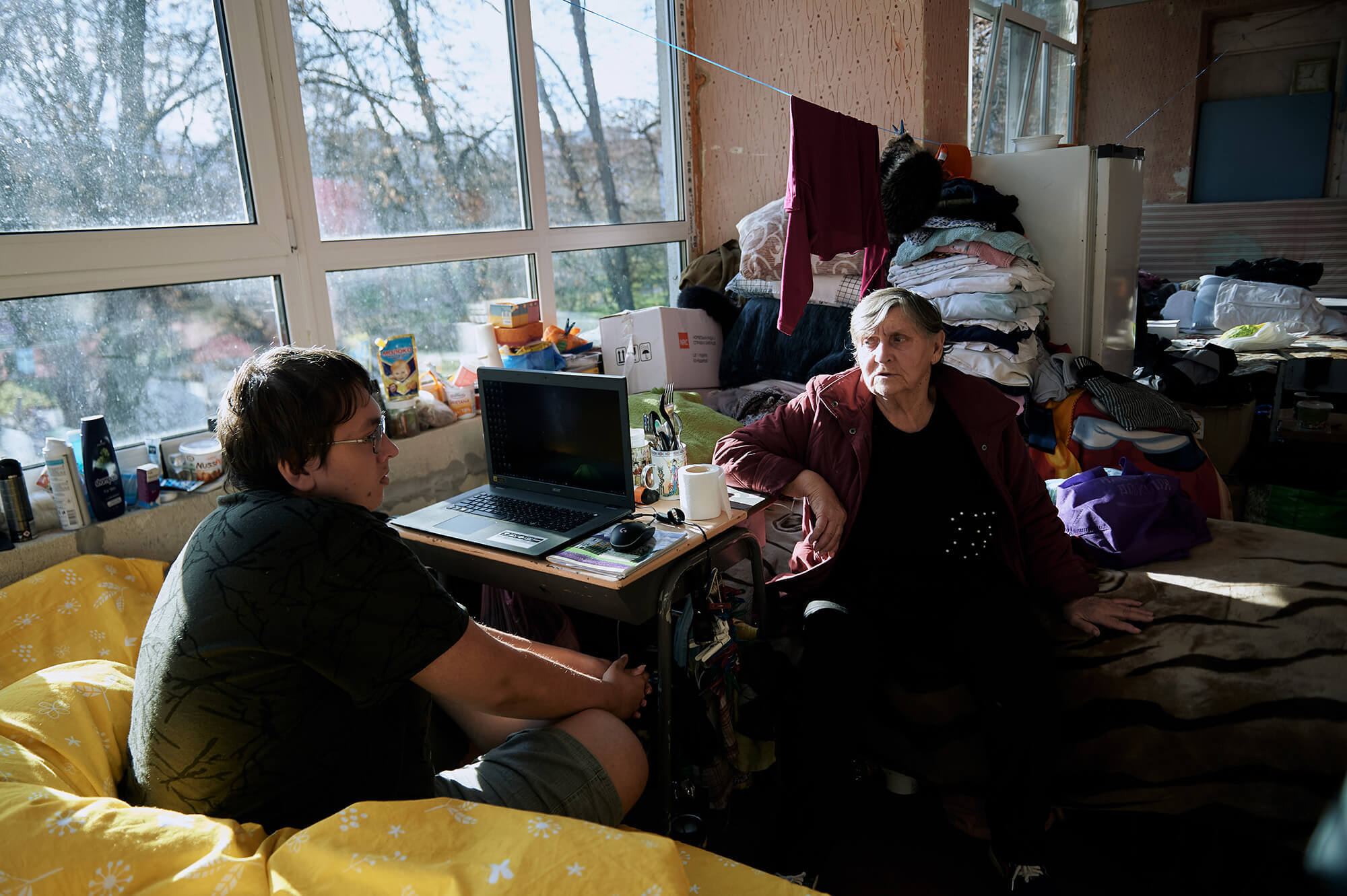
Mass relocation to western Ukraine led to overcrowding in local centers and a deterioration of living conditions for residents. The war also halted the state reform of the care system's deinstitutionalization – forced, mass relocation meant that patients returned to large, closed institutions.
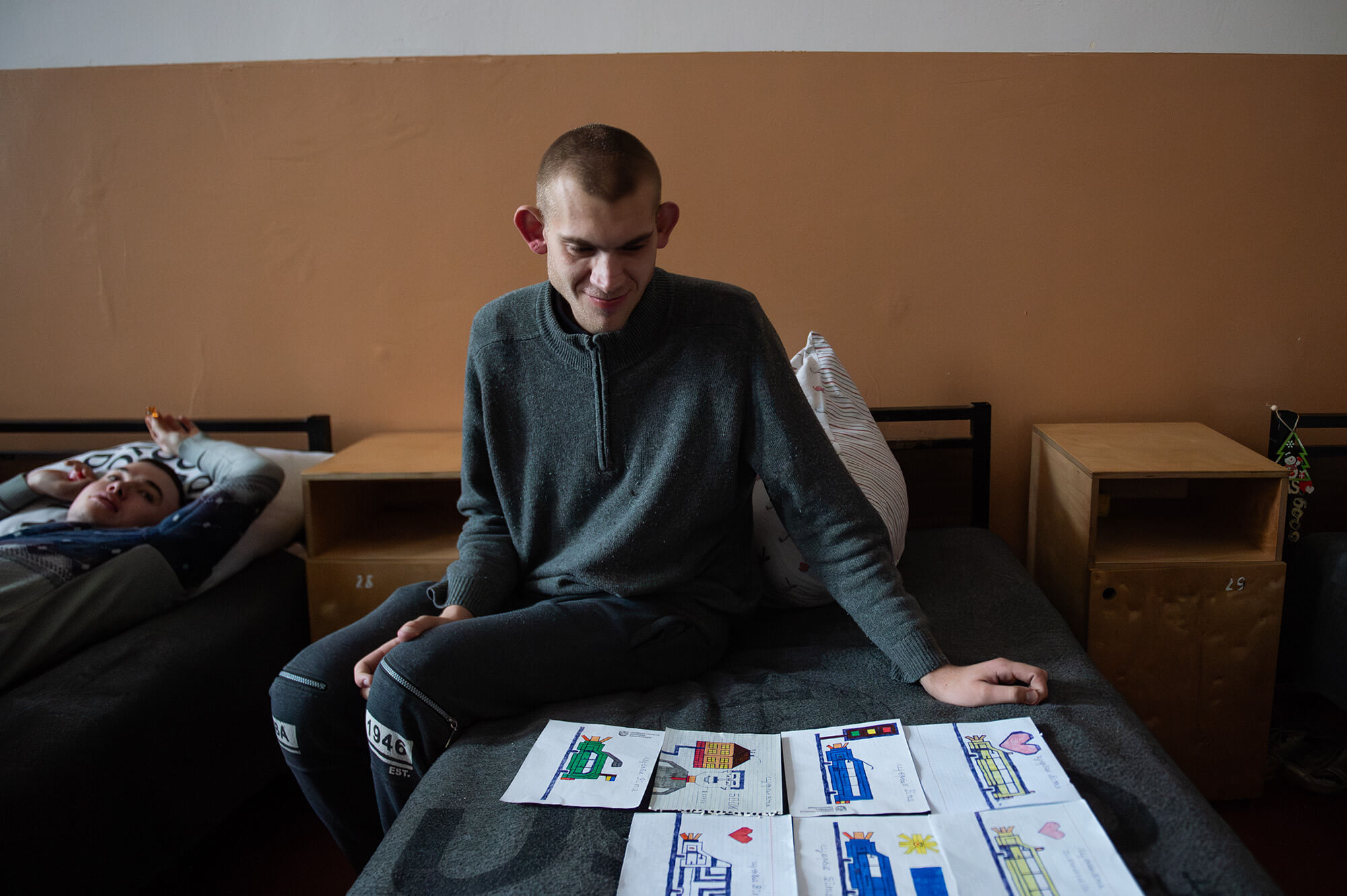
The burden of improving conditions in overcrowded centers – such as the one in the village of Zaklad in the Lviv oblast – largely fell on non-governmental organizations. In the first days of August 2022, nearly 100 men and boys with intellectual disabilities were placed there.
The facility, which currently provides permanent care for about 60 people, is located in the monumental building of the former Institute for Orphans and the Poor, founded in 1843 by Count Stanisław Skarbek. High maintenance costs of the building, which required renovations from the very beginning, make the future operation of the facility in this location uncertain. Its survival has been facilitated by international aid – organizations such as SmartAID and the CORE Foundation have financed renovations, the purchase of equipment, and even the opening of an on-site bakery. However, the staff continues to fight to keep the center running.
A significant portion of those evacuated to the Lviv oblast are patients over 60 with dementia. They suffer from orientation and memory disorders: they forget their own names, do not know where they come from or where they are. Destroyed medical records and the lack of relatives often make it impossible to reconstruct their pre-hospitalization and treatment history.
The evacuation of the most vulnerable exposed the state's organizational shortcomings. In its 2022 report, the UN Committee on the Rights of Persons with Disabilities assessed that in the first phase of the war, Ukraine did not give appropriate priority to the evacuation of these people from combat zones. There was a lack of logistical support and the capacity to transport assistive equipment, such as wheelchairs.
This problem is systemic and persists to this day. A study by the HelpAge organization, conducted in the summer of 2024, shows that 35% of surveyed seniors in collective centers were unaware of available evacuation services. Nearly 30% of respondents also stated that they did not receive the necessary medical care during the evacuation.
The material was produced for Smartaid.